Setting Up Chick Paper: Optimal Coverage Area and Feed Distribution (Day 2)
Ekstreme Team
Ekstreme Poultry Farm
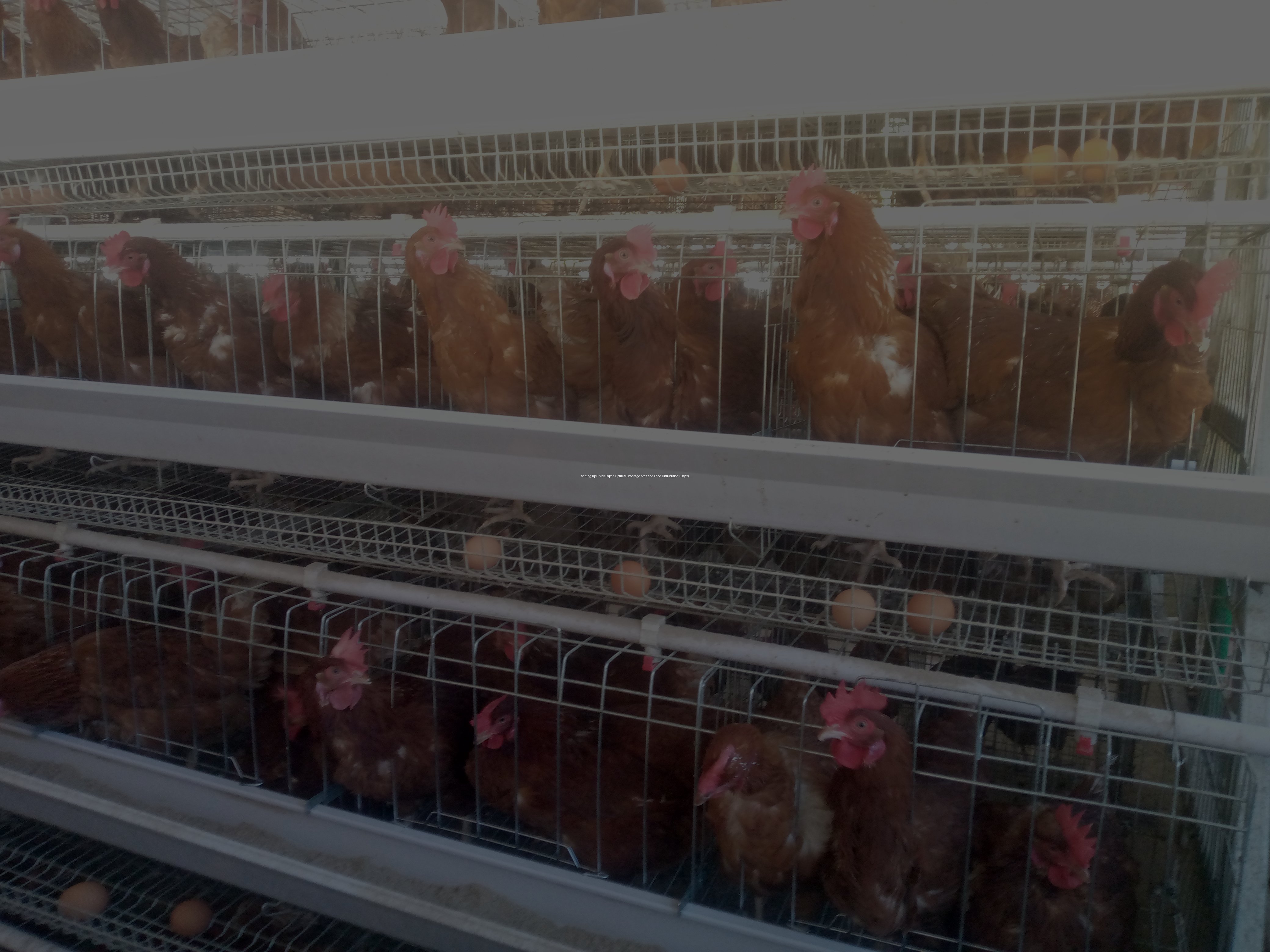
On the second day of life, Hy-Line Brown chicks experience a critical transition in their foraging behavior, necessitating a significant expansion of the brooding setup. Professional agribusinesses must recognize that the initial attraction to heat and light is no longer sufficient to maintain uniform growth. By expanding the coverage area and strategically distributing feed, producers can stimulate the natural scratching instinct that is essential for learning feed location. This proactive adjustment prevents early clustering and reduces stress, laying the foundation for the high uniformity required in commercial brown layer production.
The primary metric for day two is to cover at least fifty percent of the total brooding floor area with clean, dry paper. This coverage ensures that the chicks have ample space to move away from the heat lamps while still feeling secure. The paper acts as a visual contrast to the brooder floor, making it easier for the one-day-old pullets to identify the area where feed is present. Adequate coverage also prevents excessive pecking at the surrounding environment, such as coir mats or wire grids, which can lead to injurious habit formation and reduced performance later in the rearing cycle.
Feed distribution must be precise to encourage the natural scraping behavior required to uncover the feed. The standard target is to disperse between fifty and seventy grams of chick crumbs or pre-starter mash per chick across the paper surface. This amount is calculated to ensure that the feed does not form large, inaccessible clumps while still being distributed broadly enough that scanning the floor does not require intensive searching. A thin, even layer of feed allows the chicks to experience the tactile sensation of finding food, which reinforces the behavioral link between the paper and nutrition.
A critical component of the visual farm layout is the spatial relationship between the paper, the feed, and the drinkers. The paper should be laid out in broad, overlapping rectangles or squares that extend from the central brooding area outward toward the periphery. It is vital that the feed on the paper is not placed directly inside the radius of the drinkers, as this leads to immediate wetting and feed caking. Instead, the feed should be positioned slightly downwind or adjacent to the drinkers, ensuring that the primary foraging zone remains dry and hygienic for the first twenty-four to forty-eight hours.
The placement of the paper relative to the heat source requires careful calibration to avoid thermal shock or starvation. For Hy-Line Browns, which are particularly sensitive to environmental stress in the first week, the paper should extend beyond the immediate circle of high heat into the moderate temperature zones where the chicks are beginning to explore. This placement encourages the pullets to leave the center of the brooder, promoting even airflow and reducing the risk of overheating. If the paper is confined strictly to the hottest spot, the chicks remain clustered, leading to uneven feed consumption and poor weight uniformity by the end of the second day.
Hygiene and substrate condition are paramount when implementing this coverage strategy. The paper must be kept dry and free of droppings to prevent the development of caking feed, which is a major source of bacterial contamination. If the paper becomes soiled, it should be replaced immediately rather than cleaned, as the texture changes and the visual appeal to the chicks diminishes. A professional agribusiness should have a protocol for rotating paper lines within the first few days to ensure that no single batch of paper remains in place long enough to harbor histamine-producing bacteria or mold spores.
Monitoring chick behavior provides immediate feedback on the effectiveness of the paper and feed arrangement. Ideally, approximately eighty percent of the flock should be found on the paper foraging or resting within the first six hours of day two. If a significant portion of the flock remains in the center of the brooder or at the edges of the building, it indicates that the heat or feed placement is suboptimal. Adjustments should be made by slightly increasing the heat at the edges of the paper or sprinkling a small amount of feed immediately adjacent to the drinkers to draw the birds into the updated zone.
The economic impact of proper day-two setup is substantial when viewed over the entire production cycle. Chicks that learn to forage on paper early exhibit better pecking habits, resulting in lower feather pecking incidence during the growing phase. This early behavioral training reduces the need for beak trimming in many management systems, which can improve egg quality and reduce feather damage. By investing in the labor and materials for one hundred percent paper coverage on day two, producers secure a long-term advantage in flock uniformity and feed conversion efficiency.
To implement this on a full-scale commercial floor, managers should divide the brooding area into manageable sectors, ensuring that each sector receives an equal distribution of paper and feed weight. This sectorized approach allows for precise tracking of feed consumption and allows technicians to identify underperforming areas quickly. The weighing of feed per chick must be executed using calibrated scoops or spreaders to maintain consistency, as slight deviations in feed density per square meter can have a compounding effect on the growth trajectory of the cohort.
A practical takeaway for the on-site team is to view the paper not as a disposable liner, but as a training tool that communicates to the Hy-Line Brown pullets where safety and nutrition intersect. Checking the setup is not a one-time morning task but a continuous monitoring activity during the first forty-eight hours. By ensuring that the paper covers half the floor and that the feed is spread in the specific fifty to seventy-gram range per chick, you actively manage the learning curve, ensuring that every bird in the house develops the autonomous foraging skills necessary for a productive lay year.
Written by The Ekstreme Team
At Ekstreme Poultry Farm, we are dedicated to sharing insights, updates, and educational content to empower poultry farmers across Kenya.
Learn more about us →