Setting Up Chick Paper: Optimal Coverage Area and Feed Distribution (Day 16)
Ekstreme Team
Ekstreme Poultry Farm
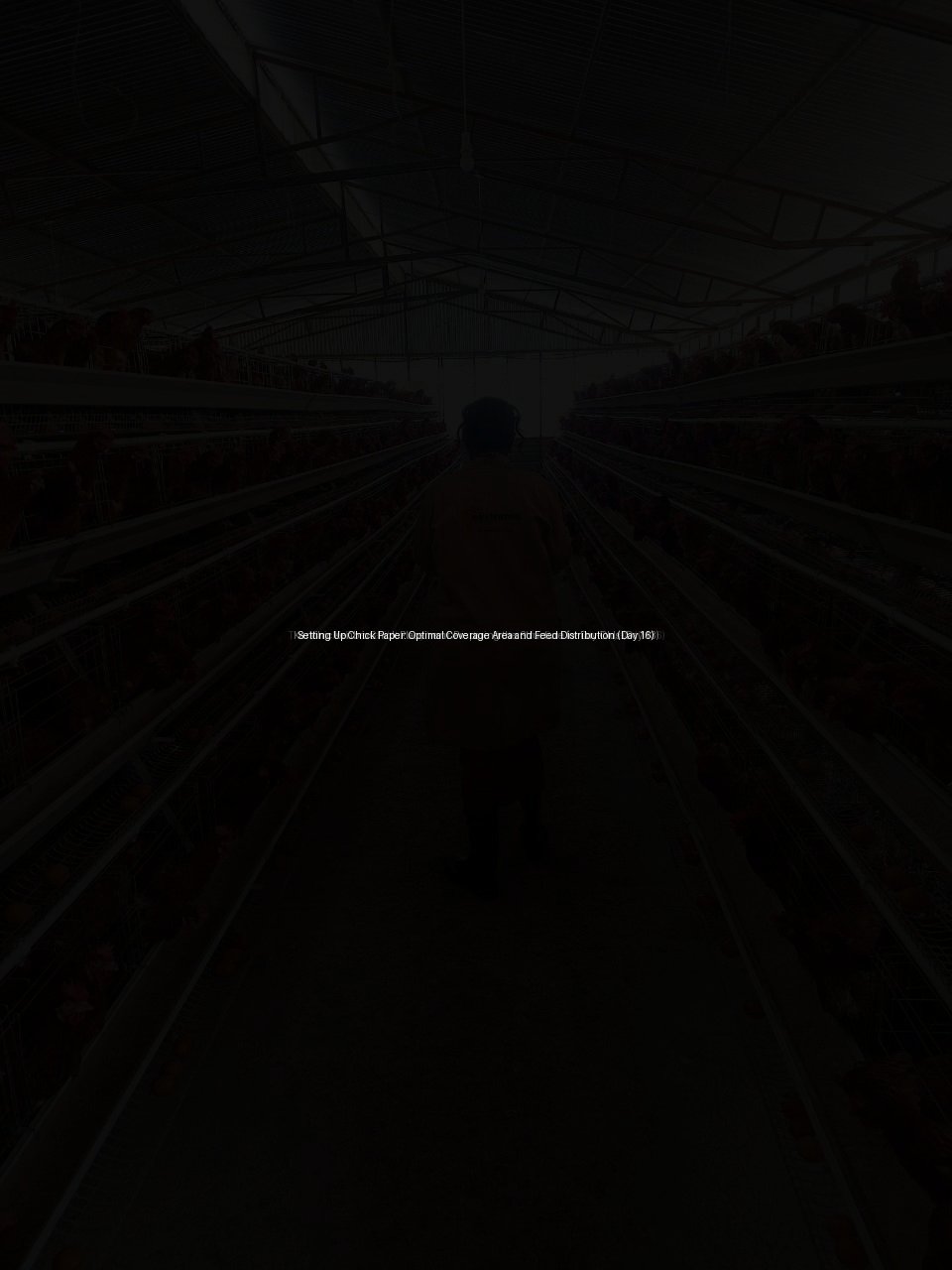
On Day 16, Hy-Line Brown pullets have matured enough to transition from the initial huddle to independent foraging, making the timing of floor paper setup critical for establishing long-term litter discipline. The standard operational target requires covering at least fifty percent of the brooding floor with paper to create a reliable visual and tactile stimulus for scratching behavior. This specific coverage ratio ensures that the young birds encounter feed in open spaces, encouraging the natural pecking and scratching motions that are essential for developing healthy foot structure and robust comb and wattle vascularization.
Proper visual farm layout is the cornerstone of successful feed distribution, demanding a strategic placement of paper sheets relative to the water system to maximize bird activity without compromising hygiene. The paper should be positioned in the central brooding area at a distance of approximately one to two feet from the nearest drinker line, ensuring that the birds can easily access water while remaining on the dry paper surface. This spatial buffer prevents the immediate mixing of feed and water, which is a common cause of wet litter and coccidiosis risk in the second week of life.
The distribution of feed on the paper requires a hands-on approach known as scatter feeding, where fifty to seventy grams of crumble feed are dispersed per expected chick population on the paper sheets. This quantity is calibrated to the specific density of the flock and must be applied in a thin, even layer to avoid large clumps that can deter shy birds from approaching. Professional agribusinesses should introduce this feed gradually over the first three days of using chick paper, increasing the area covered by fifty percent each day until the full target zone is established.
Selecting the correct type of paper is a technical detail that significantly impacts feed uptake; standard brown grocery bags or dedicated chick paper are preferred over glossy printing media which can slip when wet. The paper should be secured to the floor using small stones or non-toxic tape to prevent wind or bird movement from displacing the feed, which would defeat the purpose of the stationary foraging zone. Regular inspection is necessary to remove torn areas, as curled edges can trap droppings and create hot spots that accelerate bacterial growth in the litter.
Feed distribution on the paper must complement the automated feeder system rather than replace it, serving as an enrichment tool that supplements the primary line feeders. Operators should monitor feed waste closely, as excessive scattering leads to waste and nutrient loss, while insufficient coverage fails to trigger the desired scratching behavior in the flock. A balanced approach ensures that the birds are motivated to explore the floor without being deprived of the consistent supply from the chain feeders that remain their primary source of nutrition.
The interaction between the birds and the paper also serves as a critical indicator of flock health and ventilation management; active scratching on the paper suggests that the ambient temperature and airflow are within the optimal comfort zone for Hy-Line Browns at this stage of development. If the birds are clustered tightly in the corners of the paper or standing over the paper without interacting with the feed, it is a signal that the house temperature may be too high or the litter too damp, requiring immediate environmental adjustments. Continuous observation of this behavior allows for real-time micro-management of the brooding environment.
Hygiene protocols during the paper phase are paramount to preventing disease transmission, particularly Salmonella and other zoonotic pathogens that can thrive in organic debris. The paper should be removed and replaced if it becomes soiled with manure, but if it remains dry and clean, it can be left in place for up to seven days to allow the birds to fully habituate to the floor activity. This continuous exposure helps build muscle memory and confidence, reducing the likelihood of birds avoiding open floor areas as they grow larger and more active.
From a commercial perspective, the successful implementation of chick paper protocols on Day 16 contributes directly to the uniformity of the flock at market weight. Birds that develop strong foraging instincts early in life tend to have better feed intake consistency, which translates to reduced feed conversion ratio and improved egg production potential for Hy-Line Brown layers. Agribusinesses should document the square footage of paper used and the exact weight of feed scattered in their daily production logs to track the efficacy of this management practice over successive batches.
The practical takeaway for farm managers is to treat the paper setup not as a temporary gimmick but as a foundational training tool that bridges the gap between brooder pen conditions and free-range or barn floor reality. By adhering to the fifty percent floor coverage and the specified feed per chick metrics, the operation ensures that every bird receives the physical stimulation needed for optimal skeletal and behavioral development. This disciplined approach to Day 16 management sets the trajectory for a productive and healthy layer flock, maximizing the return on investment for the enterprise.
Written by The Ekstreme Team
At Ekstreme Poultry Farm, we are dedicated to sharing insights, updates, and educational content to empower poultry farmers across Kenya.
Learn more about us →