Setting Up Chick Paper: Optimal Coverage Area and Feed Distribution (Day 14)
Ekstreme Team
Ekstreme Poultry Farm
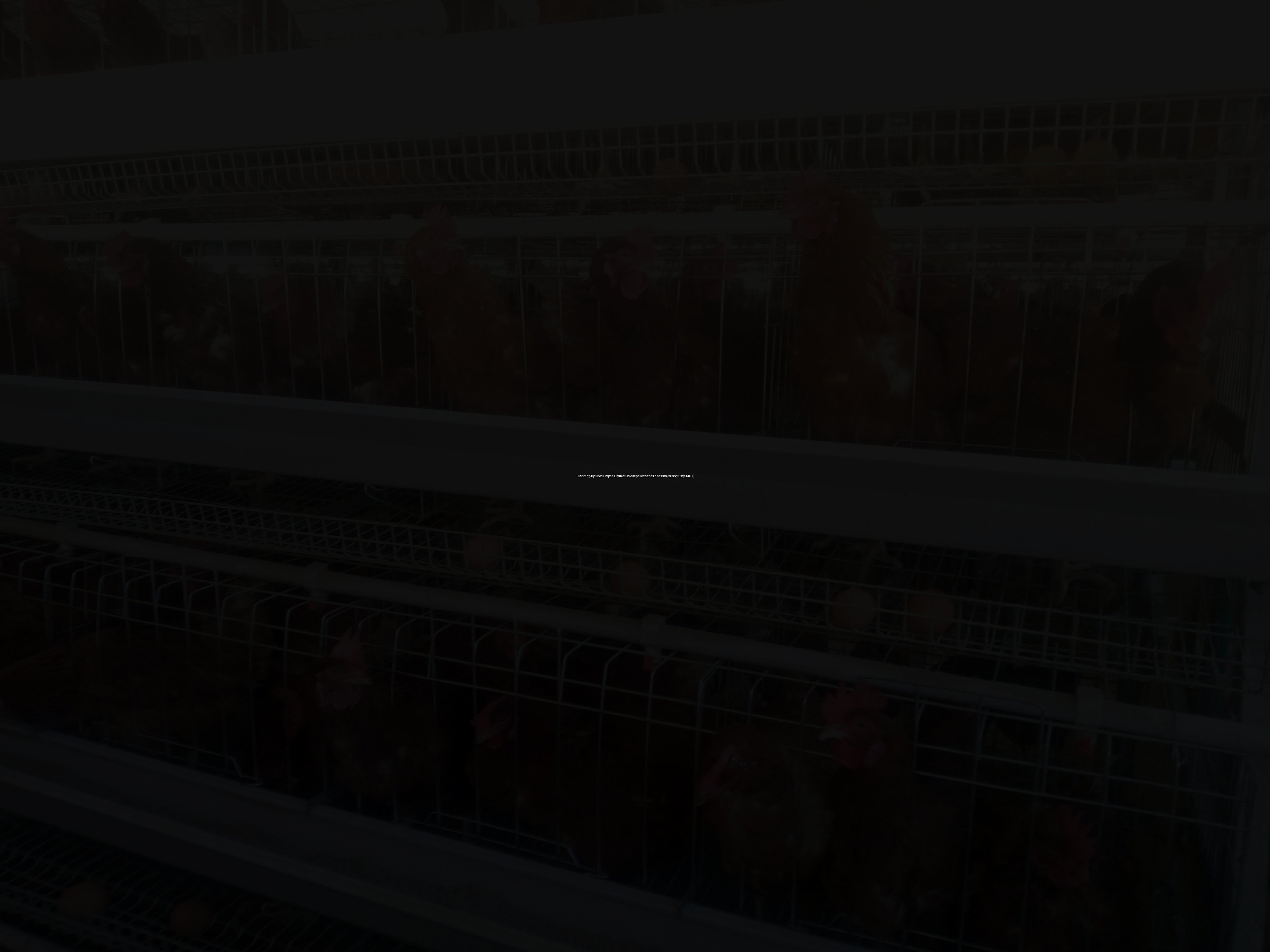
At fourteen days post-hatch, Hy-Line Brown pullets reach a critical developmental milestone where their foraging instincts begin to assert themselves over the programmed responses of the brooding phase. Successful commercial operations recognize that this transition period requires a precise adjustment in resource management, specifically regarding the use of chick paper and feed distribution protocols.
The standard target for this age group mandates that growers maintain at least fifty percent brooding floor coverage with dedicated paper sheets. This specific threshold ensures that the birds have sufficient dry, textured surface area to engage in scratching and pecking behaviors without compromising the overall cleanliness of the barn environment.
Feed distribution during this phase is equally critical, with recommendations indicating a scatter of fifty to七十 grams of mash feed per chick directly onto the paper. This quantity is calibrated to encourage natural foraging behaviors while preventing excessive waste and maintaining optimal nutrient intake for rapid skeletal and muscular development.
Proper spatial arrangement of these resources relative to water sources is vital for managing litter quality and bird health. Growers should map the barn layout to ensure that paper-covered areas are positioned at a strategic distance from both bell and nipple drinkers, thereby minimizing the risk of wet litter formations and associated disease vectors.
A visual farm layout guide suggests placing paper strips in a staggered pattern rather than continuous blocks to maximize footfall and prevent the formation of compaction zones. This geometric arrangement facilitates airflow underneath the paper, which is essential for maintaining a dry substrate base and reducing the thermal load on the ventilation system.
Integrating this placement strategy with existing infrastructure allows for a more efficient brooding area utilization. By aligning the paper coverage with natural traffic lanes created by drinker and feeder spacing, birds are guided toward optimal resource access points without the need for excessive manual intervention or guarding behavior.
The practical implication for professional agribusinesses is a standardized protocol that reduces variability in flock uniformity. Consistent application of the fifty percent coverage and seventy-gram feed scatter metrics promotes synchronized growth rates, which directly impacts the long-term laying performance and egg quality of the Hy-Line Brown strain.
Monitoring these parameters allows production managers to identify early deviations in bird behavior or environmental conditions. Regular audits of paper placement and feed scatter adherence ensure that the flock remains on track, providing a reliable metric for assessing the effectiveness of the brooding phase management strategy.
Ultimately, mastering the technical implementation of chick paper use at day fourteen establishes a foundation for the subsequent grow-out phase. By prioritizing the interplay between floor coverage and feed distribution, operations can achieve higher early survival rates and establish a healthy behavioral baseline for the entire production cycle.
Adhering to these specific breed-focused metrics ensures that the investment in high-quality Hy-Line Brown genetics is fully realized. Professional consistency in these day-fourteen management tasks translates directly into operational efficiency and improved return on investment for large-scale poultry enterprises.
Written by The Ekstreme Team
At Ekstreme Poultry Farm, we are dedicated to sharing insights, updates, and educational content to empower poultry farmers across Kenya.
Learn more about us →