
Kenchic Kenbro Chick Placement: Preparing the Structure for Day-Olds (Day 7)
Ekstreme Team
Ekstreme Poultry Farm
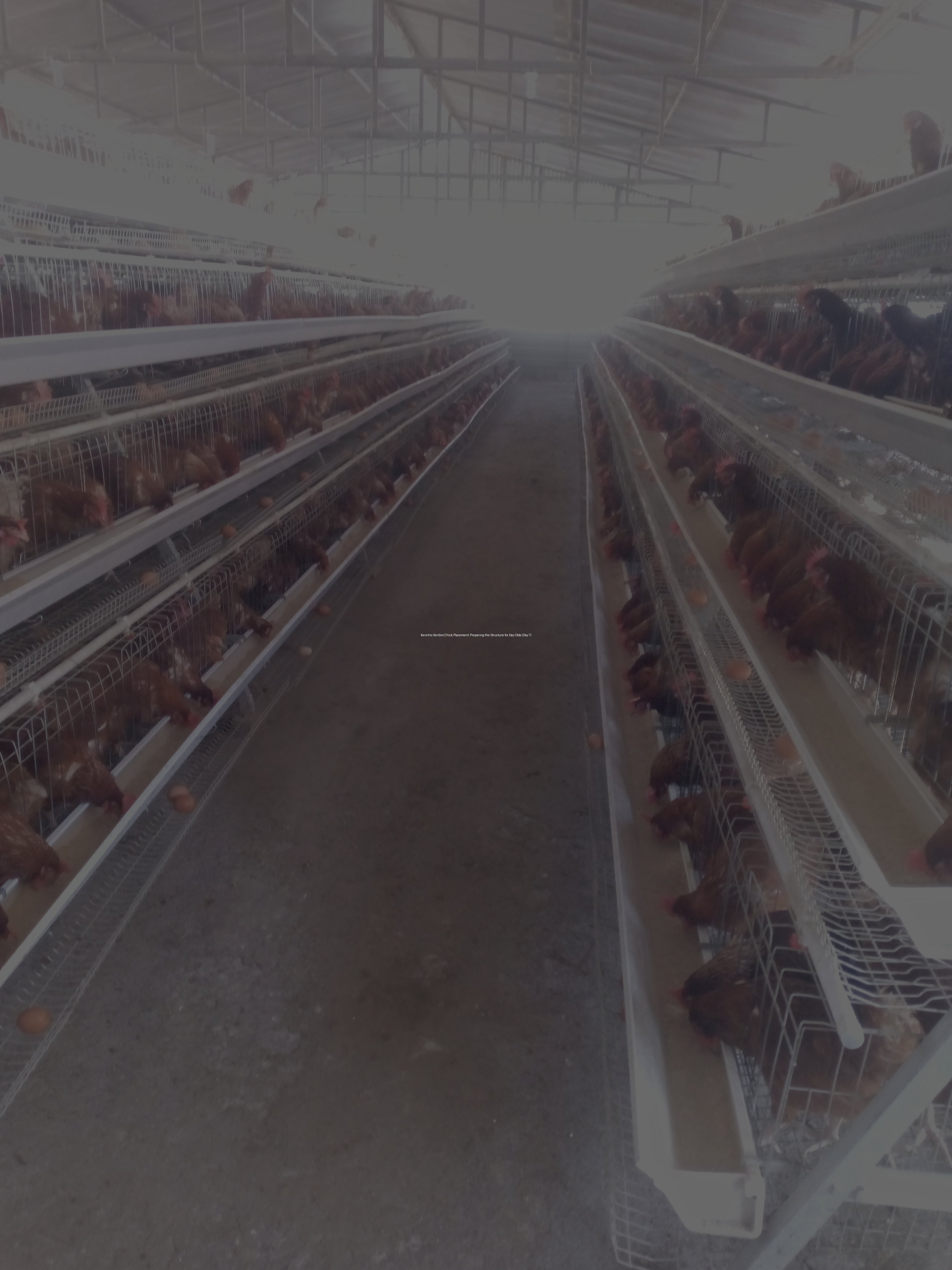
Preparing a brooding area for Kenbro day-old chicks is a critical window that demands precise thermal preparation before the birds arrive. Kenbro is a heavy dual-purpose breed known for its robust frame and strong growth trajectory, which means its metabolic demands during the first week of life are significant. Unlike lighter breeds that tolerate moderate environmental shifts, Kenbro chicks require a stable and predictable thermal environment to ensure optimal hatch-to-start weight gain and feed conversion efficiency. The goal on day seven is to have the structure not merely cleaned, but actively conditioned to accept the biological load of a new group of heavy strain chicks without any thermal shock or drop in body weight during critical intake periods.
A practical training sequence for this phase should focus on validating the sanity of the structure, not just its cleanliness. Walk the structure with your chicks and observe them. Kenbro day-old chicks will cluster tightly around the heat source if the temperature is below the required threshold or disperse to the periphery if it is too high. The correct behavior for a properly set-up brooding area is a loose, scattered pecking pattern within a one-meter radius of the heat source, indicating thermal comfort. If you see gasping wings or water dripping from the beak, it is too hot; if you see loud peeping and tight huddling at the center, it is too cold. For the heavy Kenbro, the target air temperature at chick height must be stabilized at 32 degrees Celsius before the doors open to admit the poultry.
Equipment setup follows a strict radial symmetry rule. Distribute your feeding and watering equipment in concentric circles within a one-meter radius of the heat source. The use of waterers accessible for large heavy chicks is especially essential; ensure nipples are set at a height of five to six centimeters from the floor to allow for early head entry into the water column. Feeders should be filled with a 19 percent protein starter specifically formulated for the heavy frame of Kenbro, as these chicks have a higher demand for amino acids derived from the gut lining and skeletal buildup than lighter layers.
Sanitization is not merely a final task; it is a system. Wash all surfaces with warm water and a neutral detergent, then disinfect with a complementary organic phosphorus compound (such as chlorine dioxide or iodine) that has proven effectiveness against coccidial oocysts. Allow a minimum of sixteen hours for aeration before introducing the litter to prevent mucosal irritation in the airways. The floor preparation is key: lay down 7.5 to 10 centimeters of fine, dry sawdust that has been pre-stabilized in the structure for one day. This allows the structure to absorb ambient moisture and stabilizes the microclimate for litter decomposition in the root zone.
Ventilation balance in a heavy-breed structure is about relative humidity, not air speed. You do not want constant drafts breaking the thermal envelope of the brooding zone. Position slatted vents and exhaust fans to allow for passive cross-ventilation that expels humidity from the corners of the frame without creating a direct line of airflow across the chicks. The relative humidity inside the brooding zone should stay within a narrow 55 to 65 percent band. If you notice condensation on the ceiling or walls in the late afternoon, your ventilation is insufficient, which encourages respiratory disease issues like chronic rhinitis typically found in a damp environment.
Practical takeaway for the dual-purpose farmer: The day before chicks arrive, you will perform what we call a thermal calibration test. Turn on all heat sources at full power and allow the structure to reach steady state for at least four hours. Use a calibrated air thermometer and a contact probe at chick height. Once you hit a steady 32 degrees Celsius, record that minimum and stabilize it. Do not reduce the thermostat setting until the second day, even if the chicks settle in, as heavy breeds like the Kenbro can suffer from rapid weight loss of one to two percent in the first 24 hours if the microclimate drops by even 1.5 degrees.
To secure a successful hatch-to-day seven transition, pay close attention to the floor moisture content. Kenbro chicks are resilient to mild drafts but highly susceptible to feathering defects and joint issues caused by a damp floor. If you see chicks pecking at the floor in a continuous motion, this is a classic sign of boredom, but it can also indicate a very warm floor. Check the temperature of the litter with your hand: it should feel slightly warm, never hot. A heavy-breed chick that is constantly standing near the heat source is a direct indicator of inadequate environmental temperature.
Written by The Ekstreme Team
At Ekstreme Poultry Farm, we are dedicated to sharing insights, updates, and educational content to empower poultry farmers across Kenya.
Learn more about us →