
Kenchic Kenbro Chick Placement: Preparing the Structure for Day-Olds (Day 6)
Ekstreme Team
Ekstreme Poultry Farm
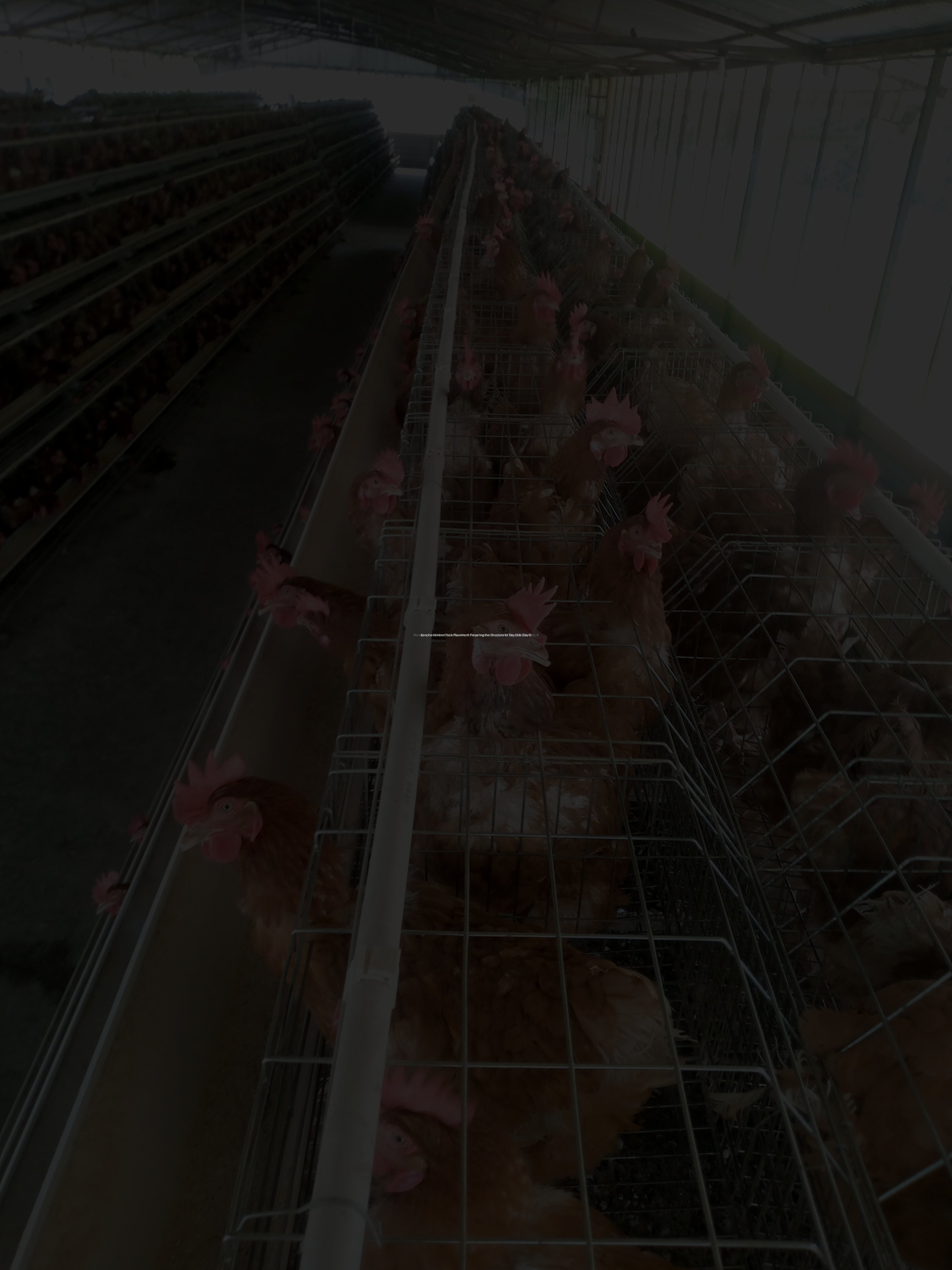
The Kenbro is a robust dual-purpose breed that has become a staple for farmers seeking reliable performance in both meat and egg production. On Day 6 of the placement cycle, the focus shifts entirely to preparing a structure that can support the immediate physiological needs of day-old chicks. Unlike older pullets or mature hens, these young birds lack the thermoregulatory capacity to adapt to environmental stress, making the initial setup the most critical determinant of their survival and growth trajectory.
The primary technical requirement for this stage is achieving a precise pre-heating protocol before the birds arrive. The brooding house must be heated to a stable ambient temperature of 32 degrees Celsius. This specific target temperature is not arbitrary; it mimics the broody hen environment and allows the chicks to conserve all their energy for feeding and growth rather than shivering to generate heat. Failure to reach this threshold before delivery often leads to huddled chicks, increased mortality, and stunted early development.
Sanitization forms the backbone of structural preparation on this day. The flooring, whether it is deep litter or a solid floor, must be thoroughly disinfected and allowed to dry completely before the heat source is ignited. Residual moisture creates a breeding ground for coccidiosis and other pathogens that are particularly lethal to chicks with compromised gut health. Farmers should ensure that all surfaces within the brooding zone are free from previous manure residues and that the litter depth is appropriate to absorb moisture without becoming compacted.
Ventilation balance is another critical component that must be tested prior to chick arrival. The structure must allow for fresh air exchange to remove ammonia and stale air while preventing drafts that could lower the local temperature near the floor. Ideally, air velocity should be negligible at the bird level, with air moving across the ceiling space. Installing sheeting or curtains to block direct airflow at low levels ensures that the thermal gradient remains consistent and predictable throughout the brooding area.
Placement of feed and water stations is governed by a strict spatial rule to facilitate immediate foraging behavior. All feeders and drinkers must be positioned within one meter of the heat source. This proximity ensures that the chicks can access nutrition without being exposed to cooler ambient temperatures, which would cause them to expend energy on thermoregulation while trying to eat. The arrangement should encourage a circular flow pattern that prevents overcrowding in any single spot, reducing pecking order stress during these vulnerable first hours.
Lighting conditions play a subtle but significant role on Day 6. The structure should be set to provide a continuous or near-continuous light schedule initially to stimulate exploration and feeding. However, the intensity should be moderate to avoid heat stress, as many lighting systems emit significant thermal energy. If using heat lamps, the height must be calculated carefully to maintain the 32 degrees Celsius floor temperature without scorching the litter or creating unsafe conditions for the birds as they move away from the center.
A practical farmer takeaway emphasizes the importance of mock runs before the actual arrival. Walking through the structure, checking every valve, plug, and sheeting joint, and verifying the thermometer reading at bird level is a mandatory step. Relying on external thermometers or assuming that the heat source is working is a common error. The temperature must be measured at the height of the chick's breast, not at the heat source, to ensure the data is relevant to the animals' actual experience.
By strictly adhering to these structural preparations, farmers create a controlled environment that minimizes stress and maximizes the biological potential of the Kenbro stock. The investment in precise heating, hygiene, and layout on Day 6 pays dividends in weight gain and uniformity throughout the growing phase. A well-prepared structure reduces the need for corrective interventions later, allowing the flock to develop its natural resilience and productivity characteristics in a safe and supportive setting.
Written by The Ekstreme Team
At Ekstreme Poultry Farm, we are dedicated to sharing insights, updates, and educational content to empower poultry farmers across Kenya.
Learn more about us →