
Kenchic Kenbro Chick Placement: Preparing the Structure for Day-Olds (Day 15)
Ekstreme Team
Ekstreme Poultry Farm
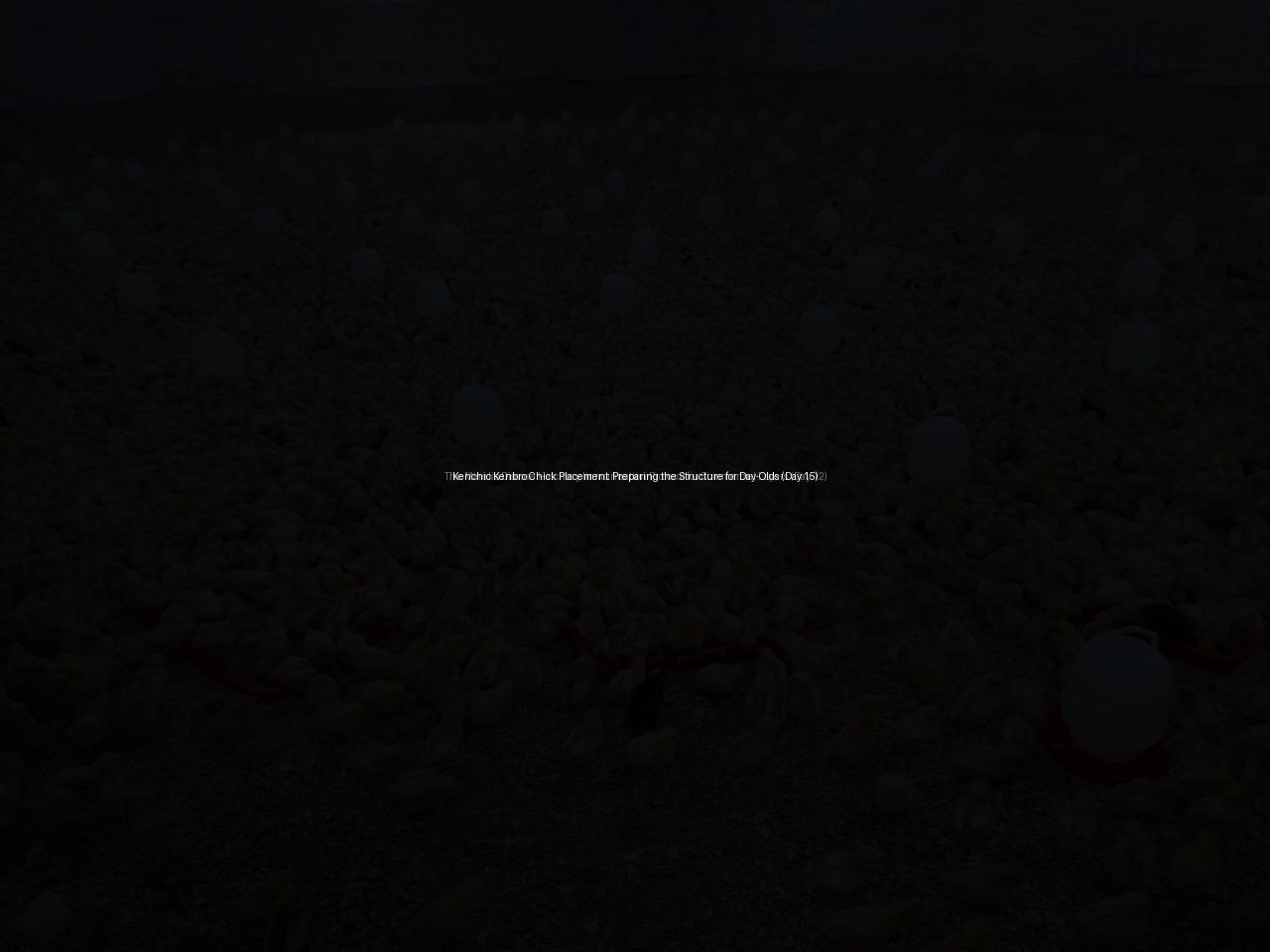
Preparing the brooding structure for Kenbro chicks is a critical pre-arrival task that significantly influences the survival rate and growth trajectory of this dual-purpose breed. Day 15 of the preparation timeline is designated specifically for the final calibration of environmental controls, ensuring that the house reaches its optimal state before the day-olds arrive. For farmers managing Kienyeji or dual-purpose flocks, the Kenbro breed demands a transitional environment that is warmer and more stable than that of hardy local layers, requiring precise attention to thermal regulation from the very first moment of placement.
The foundational step on the fifteenth day involves pre-heating the brooding house to a precise ambient temperature of thirty-two degrees Celsius. It is essential that the temperature is stabilized well before the chicks are introduced, as fluctuating heat sources can cause thermal shock in these young birds. Farmers must verify this reading using a calibrated digital thermometer placed at the chick height level, rather than relying on the ambient air temperature measured at head height, to ensure the microclimate is correctly calibrated for the small body mass of the birds.
Sanitization protocols must reach their final verification stage on this day, involving a thorough inspection of all surfaces that will come into contact with the birds, including feeders, drinkers, and brooder plates. Any residual moisture or dampness in the litter area must be addressed by adding fresh, dry wood shavings to prevent the rapid development of ammonia and fungal pathogens. The structural integrity of the pen should also be checked to ensure there are no gaps that could induce drafts, as Kenbro chicks are particularly sensitive to cold currents during their first forty-eight hours.
Equipment placement follows a strict geometric standard designed to encourage natural huddling and feed exploration. All feeding and watering equipment must be positioned within one meter of the primary heat source to minimize the energy expenditure required for the chicks to reach their nutritional needs. This proximity is vital for efficient body weight gain in the initial days; spreading equipment too far away at this stage can lead to dehydration and excessive cooling of the birds as they move across the cold floor.
Ventilation balance represents the most delicate aspect of the Day 15 setup, requiring a careful equilibrium between air exchange and thermal retention. The ventilation openings should be adjusted to provide adequate fresh air for oxygen supply while strictly preventing direct air streams from hitting the brooding area. Farmers must test the airflow using a flame or a lightweight tissue near the openings to confirm that the air dispersion is gentle and uniform, avoiding turbulent zones that could stress the arriving chicks.
Power reliability and backup systems must be audited on this day to ensure continuous operation of the heat source, whether it is a gas brooder or an infrared lamp. Given that the target temperature is thirty-two degrees Celsius, any failure in power supply for even a short duration can drop the local temperature below the critical survival threshold for day-old Kenbro chicks. Checking the fuel gauge or electrical wiring prevents the catastrophic drop in morale and health that often accompanies equipment failure in the first night.
Lighting conditions should be set to mimic a natural day-night cycle while providing sufficient intensity for the chicks to locate the drinkers, which contain a visual cue for hydration. The light source should be dim to avoid stimulating excessive activity, but bright enough to ensure the birds can see the water line clearly. This visual clarity is crucial because the Kenbro strain tends to be curious and active, and a clear signal for water helps prevent dehydration before they have established their routine in the new environment.
A final walkthrough of the step-by-step checklist is required to verify that all technical metrics are met, including the thirty-two-degree Celsius temperature and the one-meter equipment radius. This systematic review serves as a quality control checkpoint where the farmer confirms that sanitization is complete, ventilation is balanced, and all power sources are active. Any deviations found during this final inspection must be corrected immediately to ensure the structure is sterile and thermally perfect for the arrival.
The practical takeaway for dual-purpose and Kienyeji farmers is that meticulous Day 15 preparation is not merely a theoretical exercise but a direct investment in the economic viability of the flock. By rigorously adhering to these technical standards, farmers mitigate the high mortality rates often associated with the first week of brooding, setting a strong foundation for the Kenbro birds to develop their dual potential for both meat and egg production over their lifespan.
Written by The Ekstreme Team
At Ekstreme Poultry Farm, we are dedicated to sharing insights, updates, and educational content to empower poultry farmers across Kenya.
Learn more about us →