
Kenchic Kenbro Chick Placement: Preparing the Structure for Day-Olds (Day 13)
Ekstreme Team
Ekstreme Poultry Farm
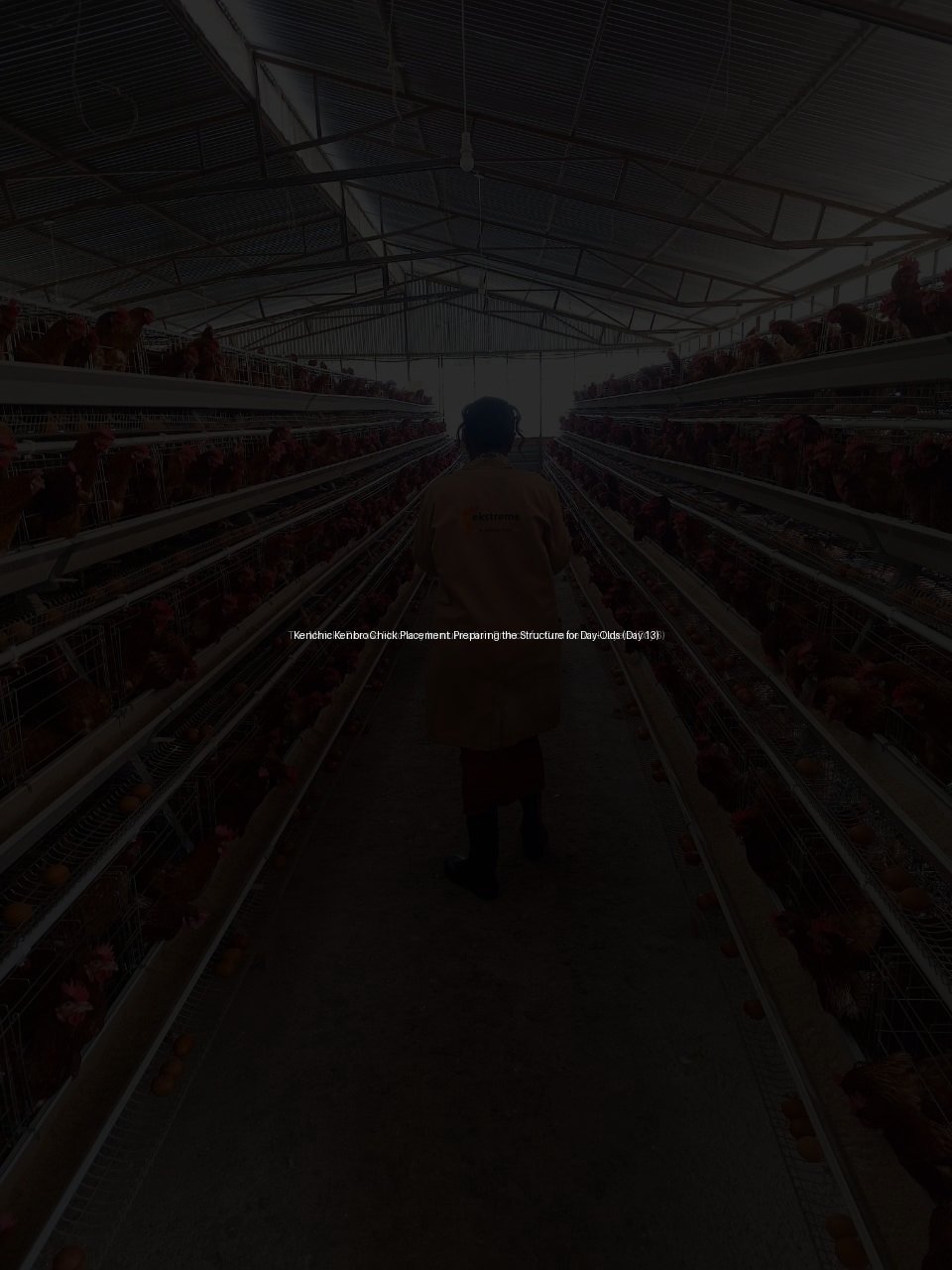
The Kenbro breed, a highly respected dual-purpose chicken developed for its adaptability and meat production, requires specific environmental conditions during the critical brooding period. Day thirteen in your preparation timeline marks the final phase of structural readiness, a moment when the brooding house must be fully sanitized, equipped, and thermally verified before the arrival of day-old chicks. This stage is pivotal because Kenbro chicks, while robust, are extremely sensitive to thermal stress during their first forty-eight hours, meaning that structural neglect on the farm side translates directly into lethality losses that cannot be recovered later in the growth cycle.
Before any single chick is introduced into the coop, the brooding house structure must undergo a rigorous sanitization protocol to eliminate residual pathogens from previous flocks. Every corner, nesting box, and surface should be scrubbed with a potent disinfectant solution, followed by a thorough drying process to prevent the growth of mold or bacteria. Kenbro farmers must ensure that old litter material is completely removed and that ventilation openings are clear of dust and debris, as a clean environment is the foundational defense against coccidiosis and respiratory infections that thrive in dirty, damp conditions.
The most critical technical metric for Day thirteen is the establishment of a stable thermal baseline within the brooding area. You must begin pre-heating the structure at least twenty-four hours before arrival to allow the entire volume of air to reach the target temperature of thirty-two degrees Celsius. This pre-heat phase ensures that when chicks enter the space, there is no sudden drop in ambient warmth; the brooder should be set to maintain this precise temperature for the first few days, creating a microclimate that mimics the body heat of the hen, which is essential for the chicks' energy conservation and initial feather development.
Equipment placement is equally vital for the health and weight gain of Kenbro dual-purpose stock. All feeders and water containers must be positioned within one metre of the primary heat source to encourage early feeding and hydration, which are critical for the rapid development of the immune system. Standing starter plate feeders and nipple drinkers are recommended for Kenbro to reduce feed waste and maintain hygiene, ensuring that the water is always accessible and clean, as dehydration is a leading cause of early mortality in young poultry of this breed.
Ventilation balance is a delicate art that requires careful management to provide fresh air without creating drafts that chill the chicks. The structure should allow for the ingress of oxygen and the egress of ammonia, but the airflow must be directed from the top or sides to prevent direct wind from hitting the delicate day-old birds. Check all windows and vents for gaps that could cause inconsistent temperature fluctuations, as even slight variations can stress the Kenbro chicks and lead to uneven growth rates within the brooder, which complicates future management and processing.
A comprehensive step-by-step checklist for this stage includes verifying the functionality of all heat lamps or brooder plates, ensuring they emit even and consistent light and heat without flickering. Test the electrical connections and backup power systems, as a power outage during the first night is catastrophic for day-old chicks. Additionally, inspect the lighting duration and intensity, maintaining eighteen to twenty hours of light per day to simulate daylight conditions, which stimulates activity and ensures that the Kenbro chicks establish healthy feeding habits immediately upon landing in the new structure.
Practical farmers should conduct a physical walk-through of the brooding house on Day thirteen to simulate the chicks' first experience. Kneel down to floor level to assess the warmth at the point where the chicks will first stand, ensuring that the heat is palpable and comforting rather than scorching. Feel the air near the ceiling to gauge ventilation effectiveness, and check the accessibility of water at chick height. This hands-on verification allows you to identify and fix minor issues, such as a blocked drinker line or a drafty corner, before the livestock arrives, thereby minimizing stress and maximizing the success rate of the placement.
The Kenbro breed is known for its hardiness, but this virtue is most fully realized when the housing structure aligns with its specific biological needs from the very first day. By strictly adhering to the thirty-two-degree Celsius temperature target and the one-metre equipment radius on Day thirteen, you create a controlled environment that supports the high growth potential of this dual-purpose strain. This foundational setup not only protects the investment in your day-old chicks but also sets the trajectory for efficient feed conversion and robust health throughout the brooding and growth phases.
Finally, document your preparation steps and equipment settings to create a reference record for future flocks. Note the exact calibration of the thermostat, the type of litter used, and the placement of feeders to ensure consistency in your management practices. This disciplined approach to structural preparation transforms the brooding house from a simple shed into a managed production facility, reflecting the professional standards required to thrive in the competitive poultry market while safeguarding the welfare of the Kenbro birds under your care.
Written by The Ekstreme Team
At Ekstreme Poultry Farm, we are dedicated to sharing insights, updates, and educational content to empower poultry farmers across Kenya.
Learn more about us →