
Kenchic Kenbro Chick Placement: Preparing the Structure for Day-Olds (Day 11)
Ekstreme Team
Ekstreme Poultry Farm
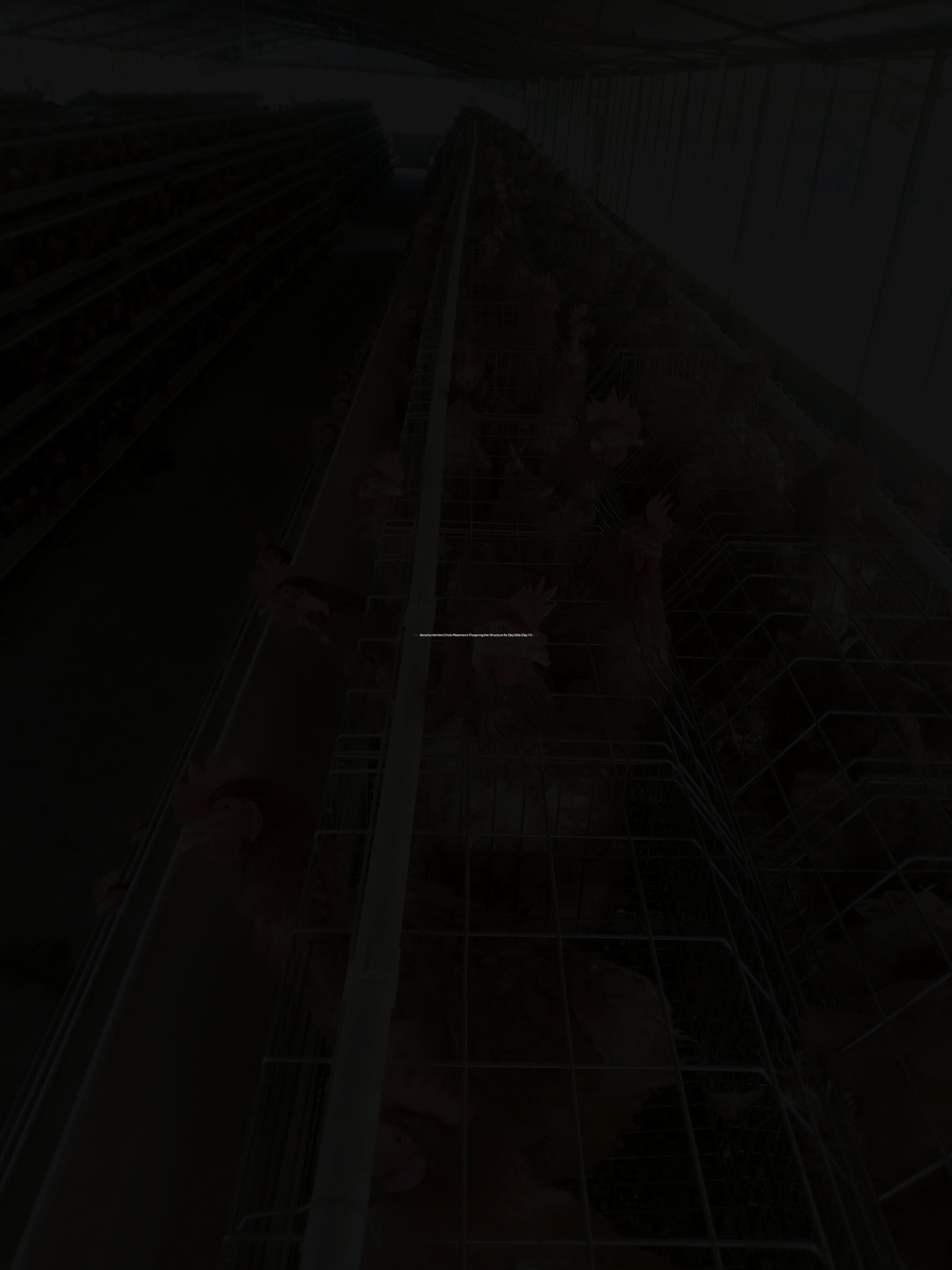
The Kenbro breed, a robust dual-purpose and Kienyeji-adapted line, requires precise environmental conditions during the brooding phase to maximize uniformity and survival rates. As farmers prepare for Day 11 placements, the focus shifts from general coop maintenance to establishing a highly controlled microclimate that supports the physiological transitions of day-old chicks. Understanding the specific thermal and spatial requirements of the Kenbro is essential because these birds, while hardier than pure white lines, are still vulnerable to temperature shock upon arrival at a new site.
A critical requirement for successful Kenbro brooding is the pre-heating of the structure to a consistent thirty-two degrees Celsius before any chicks are introduced. This target temperature ensures that the brooding area is fully stabilized, eliminating cold spots that can cause condensation and respiratory stress in the first few hours of life. Farmers must verify this internal temperature using a calibrated thermometer placed at chick height, not at head level, to accurately reflect the environment the birds will experience.
Sanitisation forms the first part of the practical checklist and must be completed with rigorous attention to detail. The entire brooding area should be washed with a poultry-grade disinfectant and allowed to dry completely to prevent moisture-related fungal growth. Particular care should be taken to clean feeders, drinkers, and ventilation screens, as residual pathogens from previous flocks can compromise the health of the newly placed Kenbro chicks.
Once sanitisation is complete, the setup of equipment must follow a specific spatial logic to ensure accessibility for the smallest chicks. Feed and water stations should be placed within one metre of the primary heat source to allow the birds to move between warmth and nourishment without expending excessive energy. This proximity reduces the risk of chilling and dehydration, which are the two leading causes of early mortality in dual-purpose breeds during the initial brooding weeks.
Balancing ventilation in a pre-heated structure requires careful manual adjustment to maintain air quality without creating drafts. The structure needs sufficient airflow to remove ammonia and carbon dioxide but must avoid direct wind currents that could lower the surface temperature near the heat source. Partially opening upper vents while sealing lower gaps is a common technique to achieve this stratification, ensuring fresh air enters from above while maintaining a stable warm zone at chick level.
A practical step-by-step approach for farmers involves a final inspection walk-through where each component of the brooding system is tested under live heat conditions. This includes checking that heat bulbs or radiant heaters are secure, that drip trays are empty, and that the thermometer reads exactly thirty-two degrees Celsius at the center and edges of the brooding pen. This redundancy check prevents equipment failure from going unnoticed during the critical first few hours after chick arrival.
The placement of the Kenbro itself should be executed during the calmest part of the day to minimize stress, with the carrier boxes kept open in the pre-heated room for a ten-minute acclimatization period before release. This allows the chicks to adjust their respiration to the new humidity and temperature levels. Experienced Kienyeji farmers often use this window to confirm that all chicks are alert and vocal, which is a strong indicator of good health and successful transport handling.
Looking beyond Day 11, the initial setup establishes the baseline for the gradual cooling schedule that will govern the next four weeks of brooding. By starting at thirty-two degrees Celsius, farmers can confidently reduce heat by one degree every few days while monitoring bird behavior for signs of overheating or chilling. The stability of this initial environment directly influences the growth rate and feed conversion efficiency of the Kenbro, making deliberate preparation a key element of cost-effective poultry management.
Success with the Kenbro in dual-purpose systems relies on the farmer's ability to replicate controlled commercial conditions within a flexible farm structure. By adhering to the specific metric of a thirty-two-degree Celsius pre-heated environment and maintaining strict sanitation, farmers can ensure that their birds have the optimal start for meat and egg production. This disciplined approach to Day 11 preparation is the foundation upon which the health and productivity of the entire Kenbro flock are built.
Written by The Ekstreme Team
At Ekstreme Poultry Farm, we are dedicated to sharing insights, updates, and educational content to empower poultry farmers across Kenya.
Learn more about us →