
Pre-Heating Brooding Structures: Why 24-72 Hours is Non-Negotiable (Day 3)
Ekstreme Team
Ekstreme Poultry Farm
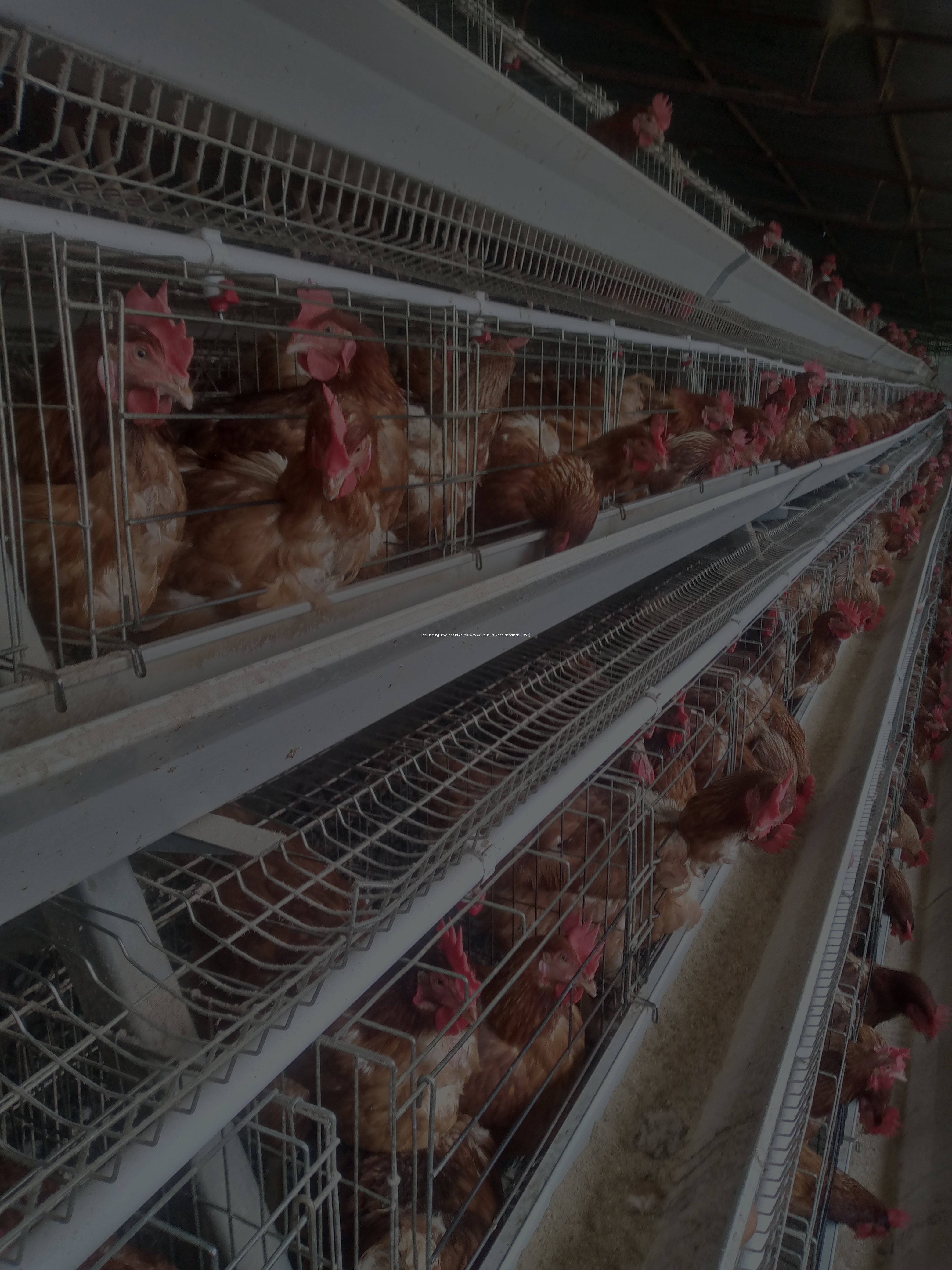
Commercial producers of Hy-Line Brown eggs and meat birds must recognize that the structural readiness of the brooding area is the primary determinant for early chick viability. The standard operational protocol dictates a pre-heating window of twenty-four to seventy-two hours before chick arrival, a timeframe that is not merely a guideline but a non-negotiable biological requirement. This duration allows the massive thermal inertia of the concrete slab and the deep litter system to reach a stable equilibrium, ensuring that the floor temperature is thoroughly warmed to a minimum of thirty-three degrees Celsius. Skipping or shortening this window exposes newly arrived chicks to a deceptive thermal gradient where the air may appear warm while the floor remains a cold heat sink, leading to immediate physiological stress.
The specific breed focus of Hy-Line Brown exacerbates the need for precise floor thermal management during the first seventy-two hours of life. These hybrid layers are genetically selected for nutrient efficiency and rapid early growth, which means their thermoregulatory systems are under intense metabolic load during the brooding phase. If the brooding structure is not fully pre-heated, the chicks expend significant amounts of their starter feed energy on shivering and huddling rather than on tissue building and organ development. This metabolic diversion directly impacts the long-term productivity and egg-laying efficiency of the flock, making the initial thermal environment a critical investment in genetic potential.
Technical implementation requires a shift in focus from ambient air temperature to the actual heat absorption rates within deep litter systems. In a typical brooder house filled with wood shavings, the litter acts as a substantial heat sink when initially cold. The concrete slab underlying the litter has a high thermal mass, meaning it absorbs heat slowly when cold and releases it slowly when warm. During the pre-heating phase, the heating elements must work continuously to saturate this mass. If chicks are introduced before the slab and litter reach equilibrium, the floor will continue to draw heat from the birds, creating a localized cold zone that is undetectable by standard ceiling-mounted thermostats but is acutely felt by the chicks on the ground.
Monitoring this process requires rigorous measurement of litter temperature rather than relying solely on air temperature sensors. A practical technical step involves inserting probe thermometers at various depths within the litter at different points under the heat source during the pre-heating phase. The target is not just the surface reading but ensuring that the heat has penetrated sufficiently so that the floor feels warm to the touch all over the brooding circle. Air temperature can be easily manipulated by thermostat settings, but floor temperature is a result of cumulative heat energy transfer. Producers must verify that the concrete slab is no longer acting as a cold reservoir by checking for consistent warmth across the entire active brooding area, particularly in the corners and away from the direct radiant source.
Cold floors have a direct and often irreversible impact on the organ development of the young chick. During the first few days of life, the intestinal tract, immune system, and skeletal structure are undergoing rapid differentiation that is sensitive to thermal stress. Exposure to cold floors triggers a stress response that alters blood flow, redirecting it away from peripheral growth activities and toward core survival mechanisms. This physiological change stunts the development of critical organs, leading to longer-term issues such as smaller body weight at point of lay, reduced feed conversion ratios, and increased susceptibility to enteric pathogens. The damage done in the first seventy-two hours due to an inadequately pre-heated floor is often compounded throughout the grow-out phase.
The practical takeaway for commercial farmers is to schedule the pre-heating phase to align strictly with the logistics of chick delivery. This means turning on the brooder heat sources at least twenty-four hours before the contract delivery time, ideally seventy-two hours out for deep litter systems, to allow for complete thermal saturation. This buffer period accounts for variable weather conditions, ventilation settings, and the time required for the heating equipment to ramp up to full capacity. Producers should document the start time of pre-heating and the time when consistent floor temperatures of thirty-three degrees Celsius are achieved to establish a baseline for their specific facility. This data allows for calibration of future pre-heating durations based on seasonal changes in ambient temperature.
Failure to adhere to this schedule often results in observable behavioral cues from the chicks upon arrival, such as piling and increased mortality rates. When chicks are placed on a cold floor, they instinctively seek the warmest spot under the radiant heaters, leading to dangerous density issues where birds at the periphery of the pile are exposed to cold and suffocation risks. This behavior indicates that the floor is not providing the necessary convective and conductive heat. By ensuring the structure is pre-heated, the chicks can spread out more evenly, utilizing the entire brooding area efficiently and reducing competition for thermal space. This behavioral stability is a key indicator of a successful start to the production cycle.
Economic analysis further supports the non-negotiable nature of the twenty-four to seventy-two hour pre-heating window. While energy costs for pre-heating may appear as an upfront expense, the cost of remedial measures for cold-stressed flocks is significantly higher. Mortality above standard targets, increased veterinary costs for treating respiratory and enteric issues, and slower growth rates all erode the profit margin of the production cycle. The energy used to saturate the concrete slab and litter is effectively stored thermal energy that helps maintain temperature stability during the critical first days. This stored heat reduces the frequent cycling of the heaters once chicks are present, leading to more stable microclimates and lower long-term energy consumption per bird produced.
Integration of automated monitoring systems can further reinforce the discipline of proper pre-heating. Modern brooding houses equipped with floor temperature sensors can provide real-time data on the thermal status of the litter and slab. Producers can set alerts that notify them when the floor temperature has not reached the thirty-three-degree minimum within a projected timeframe, prompting immediate troubleshooting of heating elements or ventilation leaks. This technological integration moves the practice from a routine chronological check to a performance-based verification. It ensures that the physical readiness of the brooding structure is quantifiable and consistent, removing human error from the equation of thermal preparation.
In conclusion, the pre-heating of brooding structures is a foundational element of successful Hy-Line Brown production that cannot be compromised for logistical convenience. The twenty-four to seventy-two hour window is the minimum time required to ensure that the massive thermal inertia of the concrete and deep litter is fully neutralized, providing a stable and warm floor environment. Producers who treat this step as non-negotiable will observe improved chick comfort, reduced stress-related mortality, and enhanced organ development during the critical early stages. By focusing on floor temperature metrics and understanding the physics of heat absorption, commercial operations can secure a robust start for their flocks, laying the groundwork for optimal lifetime productivity.
Written by The Ekstreme Team
At Ekstreme Poultry Farm, we are dedicated to sharing insights, updates, and educational content to empower poultry farmers across Kenya.
Learn more about us →