
Tropical Hatchery Logistics: Securing Day-Old Chicks Safely in Kenya (Day 2)
Ekstreme Team
Ekstreme Poultry Farm
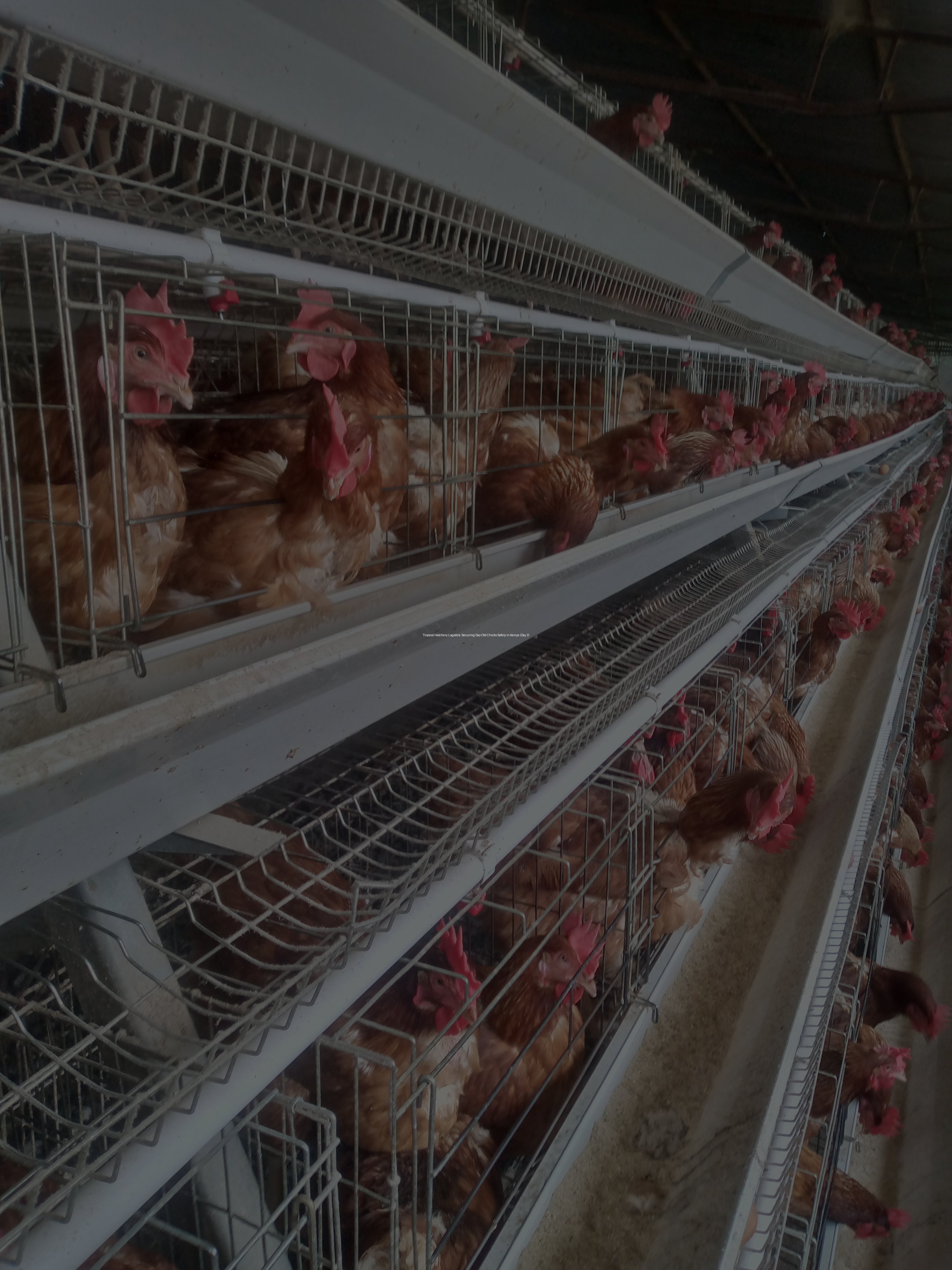
Upon arrival at the farm, the immediate priority is to secure the day-old chicks by maintaining a stable thermal environment that prevents heat stress or chilling. While the hatchery has already conditioned the birds, the transition from the incubation room to the brooder house exposes them to variable external conditions. For novice and mid-scale farmers in Kenya, understanding that the first twenty-four hours post-arrival are critical for survival is essential. The goal is to maintain a consistent ambient temperature that supports the chicks as they acclimatize to their new surroundings, ensuring that their internal body temperature stabilizes without requiring excessive energy expenditure for thermoregulation.
The logistical phase for Day 2 begins with a rigorous inspection of the transit vehicle prior to loading at the hatchery. Farmers must verify that the transport vehicle has been pre-heated to a minimum of 28°C if the ambient temperature in the region is below 20°C, which is common during the daytime hours in the Rift Valley and highland regions. This pre-heating prevents thermal shock, a leading cause of early mortality in fast-growing breeds like Arbor Acres and Ross 308. For slower-maturing, more heat-tolerant breeds such as Kuroiler or Masai, the tolerance for lower temperatures is higher, but the ideal transit range remains between 24 and 26°C to minimize dehydration risk during the transit window.
Ventilating the transit space is equally crucial, as overcrowding in the chick boxes can lead to rapid buildup of carbon dioxide and moisture. A fully loaded vehicle must have adequate airflow to dissipate excretory gases, which can reach toxic levels within minutes in an enclosed space. Farmers should ensure that vents are open but not directly exposed to rain or winds that could cool the interior abruptly. This balance is particularly important for breeds with high metabolic rates, such as Lohmann Brown layers, which are more susceptible to respiratory drafts compared to hardy local indigenous breeds that can tolerate slightly cooler, dry air during transport.
Once the vehicle arrives at the farm, the unloading process should be conducted swiftly to minimize the time the chicks spend in transit conditions. Standard practice dictates that the temperature in the receiving area, which is often a covered porch or the entrance of the brooder house, should be within two degrees Celsius of the transit temperature. For mid-scale operations handling multiple breeds, this requires pre-checking the ambient temperature at the unloading point. If the outside temperature drops significantly, as in Kakamega or Uasin Gishu during the rainy season, a temporary tarpaulin setup can create a buffer zone to shield the birds from cold winds while the boxes are moved to the brooders.
Immediate hydration upon arrival is the single most effective intervention to prevent dehydration, a condition that impairs nutrient absorption and growth in the first days. The waterers must be fully operational and filled with clean, lukewarm water before the boxes are opened. For high-performance commercial breeds like Cobb 500 broilers, the water temperature should be kept between 20 and 25°C to encourage drinking without causing thermal shock to the crops. In contrast, for tropical-adapted breeds like Kikuyu or indigenous crosses, the water can be at ambient temperature, but it must be shallow to allow small, underdeveloped beaks to dip easily without drowning.
The specific hydration strategy varies by breed characteristics. Fast-growing broilers are prone to water slaking if the water is too cold, which reduces their intake and subsequently their weight gain. Layer breeds, such as Hy-Line, have a smaller crop capacity and should be offered water in smaller, more frequent batches if the arrival is staggered. Indigenous breeds, while more robust, may be less eager to drink from standard nipple drinkers initially, so using chick splashers or open troughs is recommended for Day 2 to ensure 100% of the flock has drank by the first two hours. This bridge period is where management decisions directly impact the mortality rates recorded in the first week.
A practical checklist for the farmer should include verifying the brooder floor temperature before emptying the boxes. The brooder should be set slightly warmer than the target body temperature, allowing the chicks to find their comfort zone immediately. For a bird weighing approximately 40 grams, a floor temperature of 35°C is a standard starting point for commercial breeds. As the farmer guides the chicks from the boxes to the feeders and drinkers, the behavior of the flock provides immediate feedback. A healthy distribution of birds around the heat source and water points indicates successful acclimatization, while clustering in the corners suggests drafts or fear, requiring immediate environmental adjustment.
The difference in handling for different breeds becomes apparent in the first few hours of brooder life. Commercial broilers require a higher density of feeders to prevent bullying and ensure all birds eat within the first three hours, as their growth trajectory demands immediate calorie intake. Layer breeds and tropical crosses can handle a lower feeder density but require the feed to be sprinkled on the bedding to stimulate their foraging instincts, a behavior that is diminished in highly domesticated lines. This comparative approach ensures that the housing setup is not just generic but tailored to the physiological needs of the specific stock purchased, maximizing the potential yield for the season.
Finally, monitoring the hydration rate is a key management tool for the remainder of Day 2. Farmers should observe the croak of the chicks; a loud, clear croak indicates a well-hydrated bird, while a high-pitched, weak sound signals dehydration or heat stress. Regularly checking the water lines and ensuring there are no clogs is vital, as even a brief period without water can reverse the progress made immediately after arrival. By adhering to these breed-specific logistics and maintaining a vigilant eye on the thermal and hydration status, farmers can effectively bridge the gap between the hatchery and the farm, setting the foundation for a healthy and productive flock.
Written by The Ekstreme Team
At Ekstreme Poultry Farm, we are dedicated to sharing insights, updates, and educational content to empower poultry farmers across Kenya.
Learn more about us →