
Tropical Hatchery Logistics: Securing Day-Old Chicks Safely in Kenya (Day 13)
Ekstreme Team
Ekstreme Poultry Farm
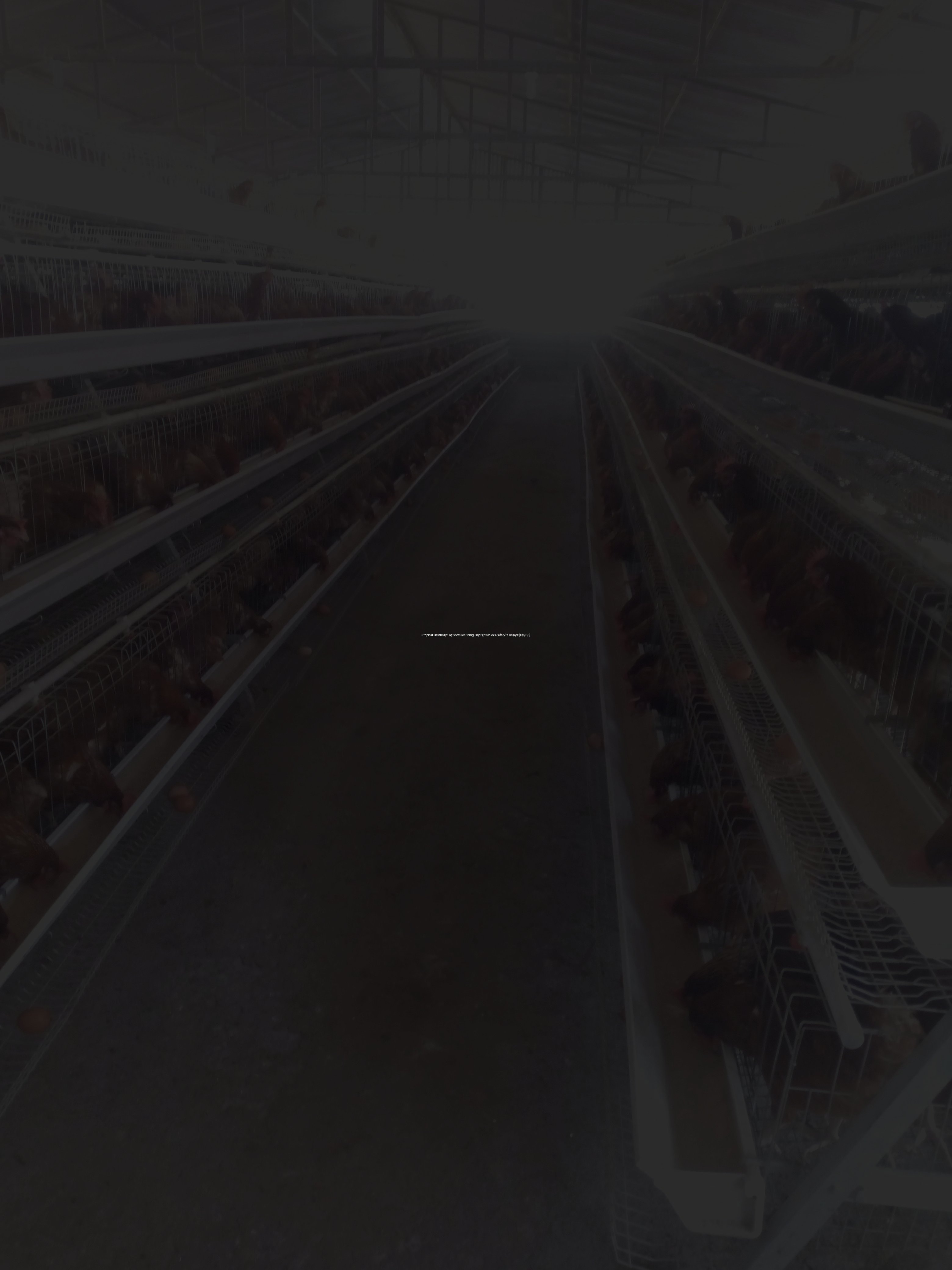
Receiving day-old chicks on the thirteenth day of the operational cycle is a critical juncture for any poultry venture in Kenya, where logistics and husbandry intersect to determine the viability of the brood. The primary objective during this phase is the secure acquisition and safe transit of chick boxes, ensuring that the mortality rate remains negligible before the birds even enter the brooding environment. Understanding that heat stress and dehydration are the leading causes of early chick loss in tropical climates, the focus of this stage shifts from active rearing to rigorous supply chain management and immediate post-arrival care.
While breed selection often dictates long-term management, the logistical requirements for transporting day-old chicks are remarkably consistent across commercial varieties such as Arbor Acre, Ross, or Cobb. However, metrics vary slightly in tolerance levels; for instance, breeds with higher metabolizable energy requirements may exhibit greater sensitivity to temperature fluctuations during transit. Therefore, the farmer must treat all breeds with uniform caution regarding environmental stability, but remain mindful that slower-growing heavy meat breeds are less resilient to handling stress compared to faster-maturing local crossbreeds, necessitating an even gentler approach to vehicle ventilation and loading density.
The technical implementation of safe transit begins with a comprehensive inspection of the transport vehicle prior to loading, a step that cannot be overstated for novice to mid-scale farmers. The vehicle must be cleaned and disinfected, but more importantly, its ventilation system must be calibrated to maintain an internal air temperature between 24 degrees and 26 degrees Celsius. This narrow range is essential to prevent rapid dehydration, as the evaporation of moisture from the chick's skin and airway increases exponentially with temperature deviations. Farmers should use calibrated digital thermometers to verify ambient conditions at multiple points within the truck, ensuring that no hotspots exist near the exhaust pipes or engine compartment which could create lethal microclimates for the transport toils.
Ventilation strategies during transit in the Kenyan tropical context require a balanced approach that prevents heat buildup while minimizing draft-related chilling, which is equally hazardous for newly hatched birds. The truck’s air curtains should be adjusted to allow for a steady airflow that removes metabolic heat without creating turbulent winds that can dry out the chicks' comb and wattles. Adequate ventilation also serves to remove ammonia and other airborne contaminants that accumulate in high-density brooding boxes, thereby reducing the risk of respiratory stress before the birds reach the farm. Farmers should aim for an air velocity that is gentle yet continuous, ensuring that the relative humidity remains sufficient to support rapid water absorption upon arrival.
Upon arrival at the farm, the transition from the transit vehicle to the brooder must be executed with immediate precision to prevent further dehydration and shock. The first practical takeaway for the farmer is that the hydration protocol begins the moment the boxes are unloaded, requiring that pre-warmed water be available within thirty minutes of arrival. Water should be dispensed at a temperature of 24 degrees to 26 degrees Celsius to match the thermal environment the chicks experienced in transit, preventing thermal shock that can inhibit gut function and water uptake. Delaying hydration, even by an hour, can significantly increase mortality rates, as day-old chicks have very limited glycogen reserves and rely heavily on immediate fluid intake to restart their metabolic engines for growth.
To implement immediate arrival hydration effectively, developers and farmers should utilize nipple drinkers or shallow bell drinkers placed adjacent to the brooder area where the chicks will be settled. The water source must be sanitary and free from chlorine residues, as young chicks possess immature liver and kidney function that cannot efficiently process chemical treatments. Observing the chicks for the first few hours after hydration is vital; healthy indicators include bright eyes, active drinking behavior, and rapid dispersal from the boxes. If chicks appear lethargic or are found lying on their backs, it is a sign of thermal or dehydration stress, requiring immediate intervention with additional shaded resting areas and increased air circulation.
Comparing the logistics of different scale operations, mid-scale farmers in regions like Murang’a or Nakuru often face specific challenges regarding the distance between the hatchery and the farm, which can shorten the optimal hydration window. In such cases, it is advisable to schedule transit during the cooler parts of the day, such as early morning or late evening, to reduce the load on the ventilation system and maintain the 24 to 26 degree Celsius target without over-reliance on active cooling mechanisms. Novice farmers should also consider the time of year, as in the dry seasons, the ambient humidity drops, necessitating more frequent monitoring of the chick boxes to ensure the pad systems or misters used in transit are not drying the environment out too rapidly, which contradicts the goal of preventing dehydration.
The final practical takeaway for the farmer is the establishment of a written transit checklist that includes vehicle sanitization records, temperature log readings from the journey, and a timed protocol for post-arrival water and feed introduction. By standardizing these steps, the farm removes the variability of human error and ensures that every flock arrives in optimal condition for the subsequent brooding phase. Success in securing day-old chicks safely is not merely about buying healthy birds from a reputable hatchery but about the uncompromising execution of logistics that preserves their physiological equilibrium from the moment they leave the incubator until they settle into their brooder, setting the foundation for a productive and profitable layover period ahead.
Written by The Ekstreme Team
At Ekstreme Poultry Farm, we are dedicated to sharing insights, updates, and educational content to empower poultry farmers across Kenya.
Learn more about us →