The Day-One Hatchery Vaccination Bundle for Kenbro Dual-Purpose Chicks (Day 4)
Ekstreme Team
Ekstreme Poultry Farm
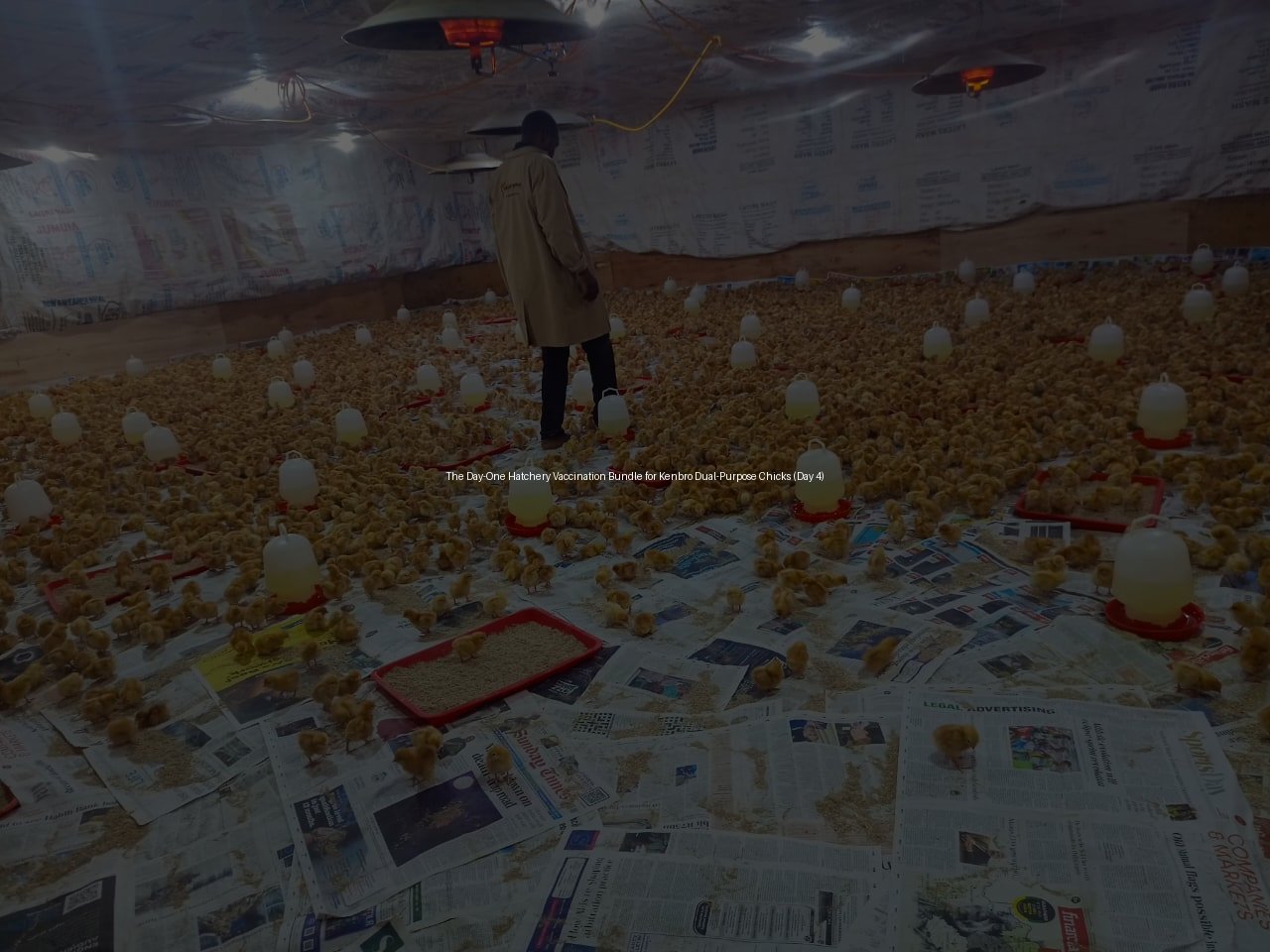
Kenbro dual-purpose chicks are engineered for versatility, delivering strong egg production while maintaining excellent meat yield, making them ideal for mixed-use farms in tropical climates. One of their defining technical metrics is the comprehensive hatchery vaccination protocol administered within the first 24 hours of life. This early intervention establishes a robust immune foundation that is critical for birds destined for outdoor or semi-confinement systems where pathogen exposure is constant and environmental stressors are high.
Administering vaccinations at the hatchery rather than on the farm aligns directly with the biological needs of young poultry, which are highly vulnerable during the critical window of maternal antibody decay. By targeting Marek's disease, Infectious Bronchitis, Newcastle disease, and Infectious Bursal Disease, known locally as Gumboro, the hatchery bundle ensures that the bird's immune system is primed before it faces the full spectrum of farm-environment pathogens. This proactive approach significantly reduces the risk of early mortality and subclinical infections that can stunt growth and impair long-term productivity.
The inclusion of a Marek's disease vaccine is particularly vital for free-range operations because the virus is ubiquitous in poultry houses and can be transmitted through feather dander. Marek's is a highly contagious lymphomagenic disease that can cause paralysis and significant economic loss. Because the vaccine is administered via intramuscular injection at the hatchery, it provides uniform protection across the entire batch, a standard that is difficult to replicate through later farm-based interventions due to handling stress and variability in administration technique.
Newcastle disease and Infectious Bronchitis are respiratory pathogens that pose serious threats in tropical environments where humidity and temperature fluctuations stress the avian respiratory system. The hatchery bundle includes vaccines for both to protect the bird's airways during its most delicate phase. Early protection against these viruses helps prevent the development of secondary bacterial infections, such as those caused by E. coli or Mycoplasma, which often follow initial viral respiratory damage and can lead to chronic respiratory issues that affect feed conversion efficiency.
Protecting against Gumboro virus, or Infectious Bursal Disease, is essential because this pathogen destroys the bursal tissue, which is the primary site of B-cell maturation in chickens. If a chick contracts Gumboro before the hatchery vaccine has fully activated the immune response, the bird can suffer from permanent immunodeficiency. In tropical regions where disease pressure is high, this initial shield ensures that the Kenbro chick's immune system develops correctly, allowing it to mount effective responses to other infectious agents later in life.
Tropical environments present unique challenges for poultry farming, including higher ambient temperatures, increased humidity, and a greater load of environmental vectors such as flies and mosquitoes. These factors can accelerate the shedding of viruses by infected birds and facilitate the spread of airborne pathogens. The lifelong immunity shield provided by the day-one vaccination bundle helps the bird maintain healthy gut flora and respiratory function, even when subjected to the thermal and infectious pressures typical of these geographies.
From a practical standpoint, relying on the hatchery vaccination bundle allows farmers to focus their daily management efforts on nutrition, biosecurity, and environmental control rather than on complex, high-risk vaccine administration protocols on the farm. This reduces the labor intensity associated with preventing major infectious diseases and lowers the risk of human error during live vaccine handling. For novice to mid-scale farmers, this means less downtime for equipment setup and a lower learning curve associated with cold chain management for specific on-farm vaccines.
The economic benefit of this early immunity extends beyond mortality reduction to include improved weight gain and egg consistency. Kenbro chicks that have received their full hatchery bundle typically exhibit better feed conversion ratios during the growing phase because their energy is directed toward growth rather than fighting off early-life infections. In dual-purpose breeds, maintaining this health status is crucial for ensuring that the bird reaches its laying maturity with a strong structural frame and a well-developed reproductive tract.
Understanding that these vaccinations are already in place allows farmers to make informed decisions about supplemental farm-based vaccination schedules. While the hatchery bundle covers the major viral threats, farmers must still adhere to local extension service recommendations for bacterial vaccines such as coccidiosis preventatives or specific respiratory bacteria, depending on their regional disease profile. Recognizing the scope of the hatchery's work prevents redundant vaccination and helps optimize the overall health cost of the flock.
In summary, the day-one vaccination bundle for Kenbro chicks is a cornerstone of professional poultry management in tropical settings. It provides a standardized, high-quality immunity shield that protects against the most devastating viral diseases encountered in free-range and dual-purpose systems. By leveraging this hatchery-based protection, farmers can build healthier, more productive flocks that are better resilient to the environmental and biological stresses of their specific geographic location.
Written by The Ekstreme Team
At Ekstreme Poultry Farm, we are dedicated to sharing insights, updates, and educational content to empower poultry farmers across Kenya.
Learn more about us →