The Day-One Hatchery Vaccination Bundle for Kenbro Dual-Purpose Chicks (Day 10)
Ekstreme Team
Ekstreme Poultry Farm
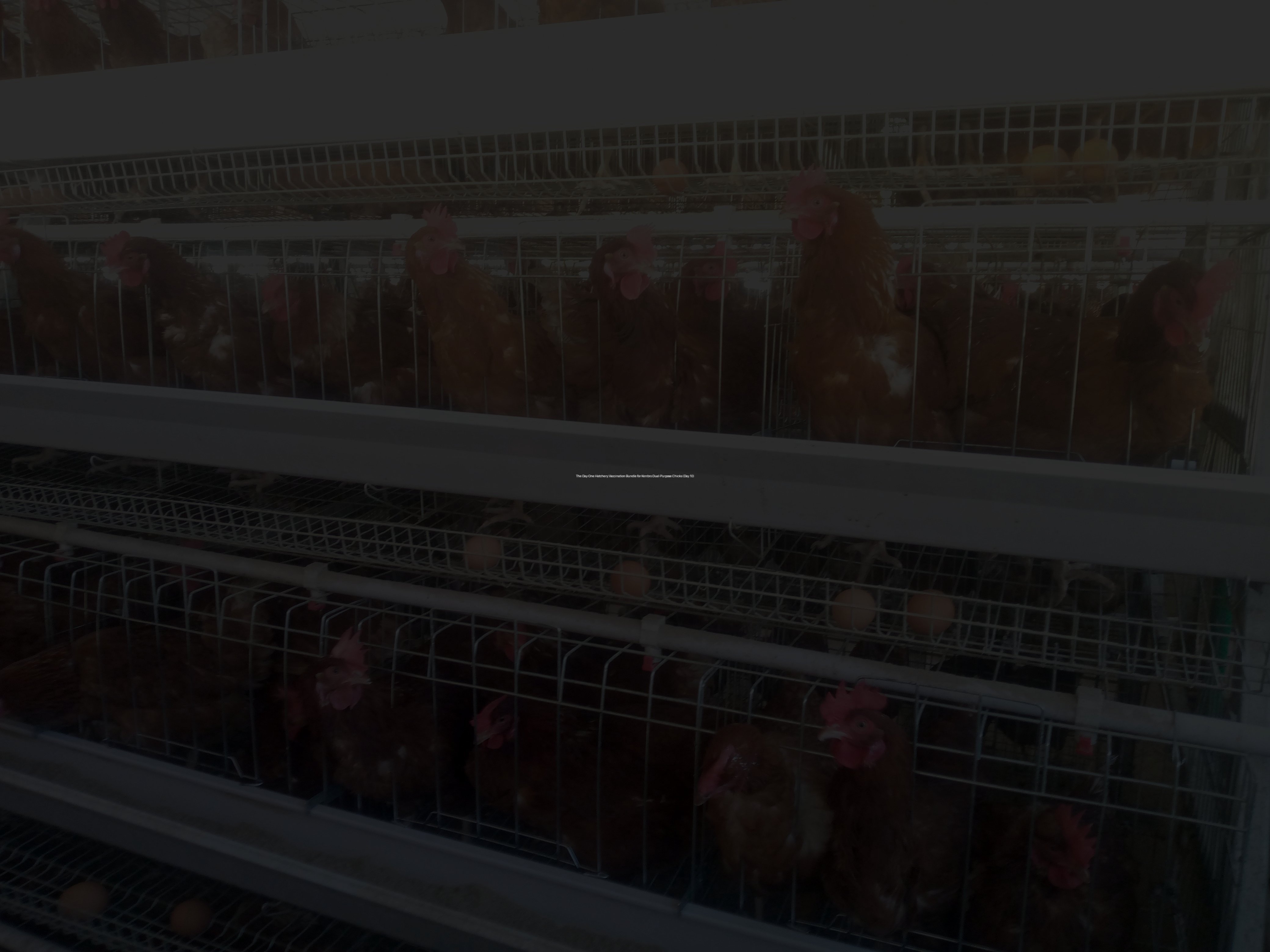
Kenbro chicks arrive at your farm with a critical head start in disease prevention thanks to standard hatchery protocols. By the time you receive them on their first day of life, these dual-purpose birds have already received targeted vaccinations for four major poultry threats: Marek's disease, Gumboro (Infectious Bursal Disease), Newcastle disease, and Infectious Bronchitis. This pre-arrival immunization schedule is not optional but a fundamental component of the breed's management standards, ensuring that every chick enters its new environment with a baseline level of protection that minimizes immediate mortality risks.
The decision to vaccinate at the hatchery rather than on the farm is driven by the physiological vulnerability of day-old chicks. At this early stage, the immune system is immature and has not yet reached the capacity to produce its own antibodies effectively. By administering vaccines under controlled, sterile conditions in the hatchery, technicians can ensure proper dosage and technique without the stress of transport or the variable hygiene conditions of a new farm. This approach significantly increases the survival rate of the flock during the most fragile phase of their life cycle.
For free-range dual-purpose farmers, these hatchery vaccinations create a lifelong immunity shield that is particularly crucial in tropical environments. Tropical climates accelerate the replication rates of many poultry pathogens, meaning that potential outbreaks can move through a free-range flock much faster than in controlled indoor settings. The initial immunity provided against Marek's and Newcastle disease helps establish the structural integrity of the flock early on, preventing the catastrophic losses that often undermine the viability of extensive farming systems in warm, humid regions.
Gumboro disease poses a unique challenge for dual-purpose breeds because it specifically targets the bursal tissue, which is central to long-term immune development. If a chick contracts Gumboro before its own immune system matures, it can suffer from immunosuppression that leaves it vulnerable to secondary infections for the rest of its life. The hatchery-delivered Gumboro vaccine primes the bird's own immune machinery correctly, ensuring that Kenbro hens retain their productive laying capacity and meat quality characteristics even when exposed to diverse environmental pathogens in a free-range system.
Infectious Bronchitis is another virus that the hatchery bundle addresses, primarily to protect the reproductive system of the female birds. While the acute phase of the disease is less common in vaccinated flocks, the long-term protection prevents damage to the oviduct that could lead to permanent reductions in egg production or poor shell quality. For farmers relying on Kenbro chicks for both meat and egg output, this protection is essential for maintaining the economic balance of a dual-purpose operation, as even a slight drop in egg quality can significantly impact marketability at a regional level.
Understanding this pre-existing immunity allows you to adjust your first-week brooding strategy to focus on comfort and nutrition rather than immediate stress. Since the birds are already primed against the most dangerous acute viral diseases, your priority shifts to providing optimal temperature control, clean water, and easily digestible feed. This reduces the need for excessive culling or emergency medical intervention during the critical brooding period, allowing you to manage the flock with greater confidence and lower resource expenditure on the very first day.
However, the hatchery vaccination bundle is a starting point, not a complete insurance policy. While the chick arrives protected against the major viral threats, it remains susceptible to bacterial infections, parasitic infiltrations, and other pathogens that are prevalent in free-range settings. Therefore, your post-arrival management plan must include rigorous biosecurity measures, such as isolating new arrivals from existing flocks, disinfecting the brooding area thoroughly, and monitoring the birds closely for any signs of respiratory distress or lethargy that might indicate a secondary bacterial infection.
A practical takeaway for novice and mid-scale farmers is to document the vaccination status of your purchase immediately upon receipt. You should keep the hatchery certificate that confirms the specific vaccines administered and the dates of application. This record is vital for your future flock management health plan, as it dictates the timing for any necessary booster vaccinations or deworming schedules. Accurate record-keeping ensures that you do not accidentally vaccinate against a virus the bird is already fully protected against, while also highlighting when protection levels may have naturally dropped and require reinforcement.
In conclusion, the Day 10 standard for Kenbro chicks being fully vaccinated against these four diseases reflects a robust industry standard designed to support resilient dual-purpose farming. By leveraging this hatchery-implemented immunity, you lay the foundation for a healthy, productive flock that can withstand the pressures of a free-range environment. Focusing on this initial health advantage allows you to invest more energy and resources into maximizing growth and egg production, ultimately leading to a more sustainable and profitable poultry operation in your region.
As you integrate these Kenbro chicks into your farm, remember that their health trajectory is a partnership between the hatchery's proactive prevention and your diligent on-farm management. The immunity shield provided on day one is powerful, but it must be supported by consistent care, proper nutrition, and vigilant health monitoring. By respecting this initial advantage and adapting your management practices accordingly, you can ensure that your dual-purpose flock reaches its full genetic potential and provides long-term value to your agricultural enterprise.
Written by The Ekstreme Team
At Ekstreme Poultry Farm, we are dedicated to sharing insights, updates, and educational content to empower poultry farmers across Kenya.
Learn more about us →