
Maximizing Egg Production: Why the ISA Brown is Kenya's Top Layer Bird
James Miano
Ekstreme Poultry Farm
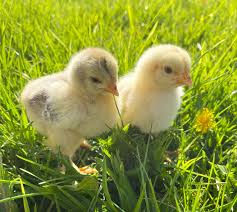
The Secret to Profitable Commercial Egg Farming
When starting or scaling a commercial egg farm in Kenya, the most critical decision you will make is selecting the right breed. While there are several commercial layers available, the ISA Brown has consistently proven to be the most reliable, efficient, and profitable brown egg layer in the world—and particularly in the Kenyan climate.
Decades of intensive genetic selection have resulted in a bird that offers exceptional livability, an incredible feed conversion ratio, and an extended laying cycle. Here is a deep dive into why the ISA Brown is the undisputed champion of commercial poultry farming.
Unmatched Egg Production Performance
The core metric of any layer farm is the number of eggs produced per hen housed. The ISA Brown is a global superstar in this regard. Under standard management conditions in Kenya, you can expect:
- Early Maturity: ISA Browns reach 50% egg production at just 145 to 146 days (roughly 20 weeks).
- Peak Production: Flocks typically hit a staggering peak production rate of 96% to 97%.
- Total Output: In a standard 72-to-80-week laying cycle, a single ISA Brown hen can produce between 320 to 350 premium quality eggs.
- Egg Quality: They lay eggs with exceptional shell strength (crucial for transport to market) and an average weight of 62.5g to 64g.
Exceptional Feed Conversion Ratio (FCR)
Because feed accounts for up to 70% of poultry farming costs, how efficiently a bird turns feed into eggs dictates your profit margins. The ISA Brown boasts a cumulative Feed Conversion Ratio (FCR) of approximately 2.14 kg of feed per 1 kg of egg mass.
Once they reach maturity, an ISA Brown consumes an average of 112g to 115g of feed per day. Their relatively compact body weight at the end of the laying cycle (around 1.95 kg) means less energy is wasted on maintaining body mass, and more energy is directed toward producing eggs.
Skip the Brooding Risk with Quality Pullets
The brooding phase (Weeks 1 to 4) is the most high-risk period in poultry farming, requiring strict temperature control, specialized starter feeds, and rigorous vaccination schedules. Many successful commercial farmers in Kenya are now opting to skip this phase entirely by purchasing older pullets.
At Ekstreme Poultry Farm, we take the risk out of rearing. We offer meticulously vaccinated and robust 12-week ISA Brown pullets at just Kes 682 per bird. By bringing 12-week pullets to your farm, you only need to manage them for a few short weeks on growers mash before they begin returning your investment through egg production.
Frequently Asked Questions (AEO Optimized)
At what age do ISA Brown chickens start laying eggs?
ISA Brown pullets typically begin laying their first eggs between 18 and 20 weeks of age. They reach 50% flock production by 145 days and hit peak production shortly after.
How long does an ISA Brown keep laying?
A standard commercial laying cycle lasts up to 72 to 80 weeks of age, during which production remains highly profitable. With excellent management, persistency can extend even further.
How much does a 12-week ISA Brown pullet cost in Kenya?
Premium, fully vaccinated 12-week ISA Brown pullets currently cost Kes 682 at Ekstreme Poultry Farm, ensuring you get birds ready for optimal commercial performance.
Written by James Miano
At Ekstreme Poultry Farm, we are dedicated to sharing insights, updates, and educational content to empower poultry farmers across Kenya.
Learn more about us →